


Introduction
The Green Paradox
Ayurveda, one of the world’s oldest medical systems, is built on a profound principle- “Loka Purusha Samya Siddhanta” i.e; the human body and nature are mirrors of each other, inseparable and mutually dependent. Rooted in over 5,000 years of observation, Ayurveda teaches that to heal the body, we must first respect the earth.
Yet today, we face a striking paradox. The rapidly growing global demand has, in many cases, led to adoption of synthetic practices that contradict Ayurveda‘s foundational philosophy.
A Market in Exponential Growth
The global Ayurveda market was valued at USD 20.4 billion in 2025 and is projected to reach USD 85.8 billion by 2033, expanding at a compound annual growth rate (CAGR) of 19.7%.1 The herbal segment alone accounted for 69.1% of total market revenue in 2025, substantially driven by rising consumer preference for natural and chemical-free formulations.
Concurrently, the broader global herbal medicine market is expected to grow from USD 70.57 billion in 2023 to USD 328.72 billion by 2030 at a CAGR of 20.91%.2
The herbal segment dominates this landscape, commanding 69.16% of total market revenue as of 2025, propelled by rising health consciousness, post-pandemic immunity awareness, and a sweeping global preference for natural, chemical-free formulations.3
In India, the epicenter of Ayurvedic production, the Ministry of AYUSH reports that over 77% of Indian households use Ayurveda-based products,4 and exports of Ayurvedic and herbal products have grown from USD 479.6 million in FY21 to USD 606.2 million in FY23, with a 13% CAGR.3
World Health Organization’s third global survey on traditional, complementary and integrative medicine (2023–2024), revealed that in 12 member states 80–99% of the populations rely on traditional medicine while additional 14 Member States reported 60–79% usage rates among their populations (WHO, 2024).5 India alone harbors 17,000–18,000 species of flowering plants, of which an estimated 6,000–7,000 possess documented medicinal applications across systems such as Ayurveda, Siddha, and Unani,6 and the country regularly exports 40,000–50,000 tonnes of dried herbs annually to global markets.
This recognition has now been institutionalized at the highest level of global health governance. In May 2025, the 78th World Health Assembly formally adopted the WHO Global Traditional Medicine Strategy 2025–2034, projecting global traditional medicine demand to grow from USD 213.81 billion in 2025 to USD 359.37 billion by 2032, while noting that 116 Member States have now established regulatory frameworks for herbal medicines.7
Yet the integrity of this supply chain is under mounting scrutiny. The WHO’s 2024 global survey on traditional, complementary and integrative medicine found that appropriate mechanisms to control and regulate herbal medicine quality remain absent in the majority of producing nations.5 Critically, 95% of responding Member States cited the lack of quality research data as the foremost barrier to traditional medicine development.
Interestingly, this staggering scale of demand, while testifying to Ayurveda‘s growing global acceptance, has set in motion a chain of ecological and agricultural consequences that demand urgent scientific examination. The gap between regulatory intent and agricultural reality constitutes the central paradox this review examines.
When the Cure Carries the Poison
Perhaps no issue better illustrates this paradox than the widespread contamination of Ayurvedic herbs with synthetic pesticide residues.
A landmark study by Tripathy, Saha, and Kumar (2017) from the ICAR-Directorate of Medicinal and Aromatic Plants Research (DMAPR), Anand, Gujarat, published in SpringerPlus. The study analysed 52 commercial market samples of four major Indian medicinal herbs i.e; Withania somnifera (Ashwagandha), Plantago ovata (Isabgol), Cassia angustifolia (Senna), and Andrographis paniculata (Kalmegh) which were collected from wholesale and retail markets across Gujarat, Madhya Pradesh, Delhi, and Rajasthan. Using a modified QuEChERS-GC/MS (Gas Chromatography-Mass Spectrometry) approach, the study detected residues of 11 multi-class pesticides including organochlorines, fungicides, and herbicides and these were drawn from commercially traded Ayurvedic raw materials.8
These findings are consistent with a growing body of evidence. A 2018 study from Bharati Vidyapeeth (Deemed University), Pune, analyzed 12 samples of six plant species forming the polyherbal Ayurvedic formulation Laksha Guggulu, including Withania somnifera, Terminalia arjuna, and Commiphora wightii. The findings were alarming as Lead (Pb) concentrations exceeded WHO permissible limits in Terminalia arjuna (13.83 mg/kg) and Commiphora wightii (16.66 mg/kg), while isomers of organochlorine pesticide residues were detected in almost all samples, concluding that heavy metal and pesticide contamination posed real risks to consumer health and warranted mandatory pre-formulation testing of every batch of polyherbal preparations.9
The implications merit serious consideration. Beyond direct toxicological risk to consumers, synthetic pesticide and herbicide use:
Degrades soil microbiome health, destroying the very biological communities that Ayurvedic texts identified as foundational to soil fertility.
Alters secondary metabolite profiles in medicinal plants – the alkaloids, flavonoids, terpenes, and glycosides that constitute the therapeutic core of each herb.10
Contaminates groundwater and surrounding agricultural land.11
They are known to adversely affect non-target organisms including pollinators, earthworms, and beneficial insects that classical texts recognized as essential to plant health.
Undermines international market access, as regulators in the EU, USA, and Japan enforce stringent Maximum Residue Limit (MRL) standards for herbal imports.
Reclaiming the Root: Vrikshayurveda and Green Chemistry as a Path Forward
Ayurveda‘s classical texts from the Charaka Samhita and Sushruta Samhita to the Ashtanga Hridayam implicitly emphasize practices that preserve natural integrity of the plant or the soil. The Dravyaguna (pharmacology) framework places enormous importance on the purity, habitat, seasonality, and method of collection of every medicinal herb, asserting that a herb’s therapeutic potency is inseparable from the conditions in which it was grown. Despite this, the industrialization of Ayurvedic herb cultivation has led to a wholesale adoption of intensive monoculture farming, synthetic nitrogen-phosphorus-potassium (NPK) fertilizers, and broad-spectrum chemical pesticides and herbicides.
The answers to sustainable Ayurvedic herb cultivation were written long before the age of synthetic chemistry in the classical body of knowledge known as vrikshayurveda. The term vrikshayurveda is a compound Sanskrit word formed by the union of two distinct yet deeply interconnected elements:
Vriksha (वृक्ष) meaning plant, tree, or vegetation
Ayurveda (आयुर्वेद) meaning the science of life – derived from Ayus (life) and Veda (science)
Thus, Vrikshayurveda translates literally to “The Science of Plant Life.” This etymology is deeply significant. It implies that in the Indian intellectual tradition, plants were understood as living beings with a life cycle, a physiology, a susceptibility to disease, and a capacity to respond to nourishment and care.
This holistic framing sets vrikshayurveda apart from conventional agronomy. It does not ask “How do I extract maximum yield from this field?” but rather “How do I nurture this living organism so that it thrives, reproduces, and offers its highest therapeutic essence to humanity?”
Kautilya‘s Arthashastra (4th century BCE) first mentioned practical farming techniques like pest control and soil management. Varahamihira‘s Brihat Samhita (6th century CE) gave detailed information on tree cultivation and weather-based planting. Surapala‘s vrikshayurveda (~1000 CE) became the definitive text, systematically documenting seed treatment (Bija Samskara), soil testing (Bhumi Pareeksha), organic fertilizers like Kunapajala and Panchagavya, and natural pest control. Later works like Chakrapani’s Vishvavallabha (1577 CE) built on Surapala‘s foundation, making it the cornerstone of sustainable plant science.
“Just as a mother nourishes her child with affection, so should the gardener nourish the plants with water, organic nutrients, and loving care.”
– Surapala’s vrikshayurveda
There is another way to look at this from the perspective of modern science. We also have a scientific framework of 12 principles that validates and scales sustainable practices and it is called Green Chemistry.12
It was coined in the 1990s by chemists Paul Anastas and John Warner as a structure to design chemical products and processes that reduce or eliminate the use and generation of hazardous substances. Historically, traditional environmentalism focused on cleaning up pollution after it was created. Green Chemistry spins this narrative as it focuses on preventing pollution at the molecular level before it ever occurs. It is a preventive approach rather than a curative one.
The philosophy of Green Chemistry has profoundly influenced modern sustainable agriculture, guiding the creation of eco-friendly biopesticides, natural fertilizers, and solvent-free botanical extraction methods.
Table 1: The 12 Principles of Green Chemistry.
| Sr. No. | Principle | Description |
| 1 | Waste Prevention | It is better to prevent waste than to treat or clean it up after it has been created. |
| 2 | Atom Economy | Synthetic methods should maximize the incorporation of all materials used in the process into the final product. |
| 3 | Less Hazardous Chemical Syntheses | Design processes to use and generate substances with little or no toxicity to human health and the environment. |
| 4 | Designing Safer Chemicals | Chemical products should be designed to achieve their desired function while minimizing their toxicity. |
| 5 | Safer Solvents and Auxiliaries | The use of auxiliary substances (e.g., solvents, separation agents) should be avoided wherever possible, or made innocuous when used. |
| 6 | Design for Energy Efficiency | Energy requirements should be minimized. Processes should ideally be conducted at ambient temperature and pressure. |
| 7 | Use of Renewable Feedstocks | Raw materials or feedstocks should be renewable (agricultural/biological) rather than depleting (petrochemical). |
| 8 | Reduce Derivatives | Unnecessary derivatization (use of blocking groups, temporary modifications) should be minimized or avoided to reduce waste. |
| 9 | Catalysis | Catalytic reagents are superior to stoichiometric reagents (which are consumed in the reaction). |
| 10 | Design for Degradation | Products should be designed so that at the end of their function, they break down into innocuous degradation products without persisting in the environment. |
| 11 | Real-time Analysis for Pollution Prevention | Analytical methodologies must be developed for real-time monitoring and control prior to the formation of hazardous substances. |
| 12 | Inherently Safer Chemistry | Substances used in a chemical process should be chosen to minimize the potential for chemical accidents, including releases, explosions, and fires. |
While Green Chemistry and Ayurvedic agricultural science both prioritize ecological integration rather than resource extraction, direct conceptual equivalence requires scrutiny. Examination of both frameworks does reveal structural compatibilities such as the use of biodegradable materials, renewable agricultural substrates, waste utilization strategies, and methods that amplify natural processes. However, whether these parallels constitute intentional proto-Green Chemistry design or represent convergent problem-solving approaches from different epistemic traditions remains an open interpretive question.
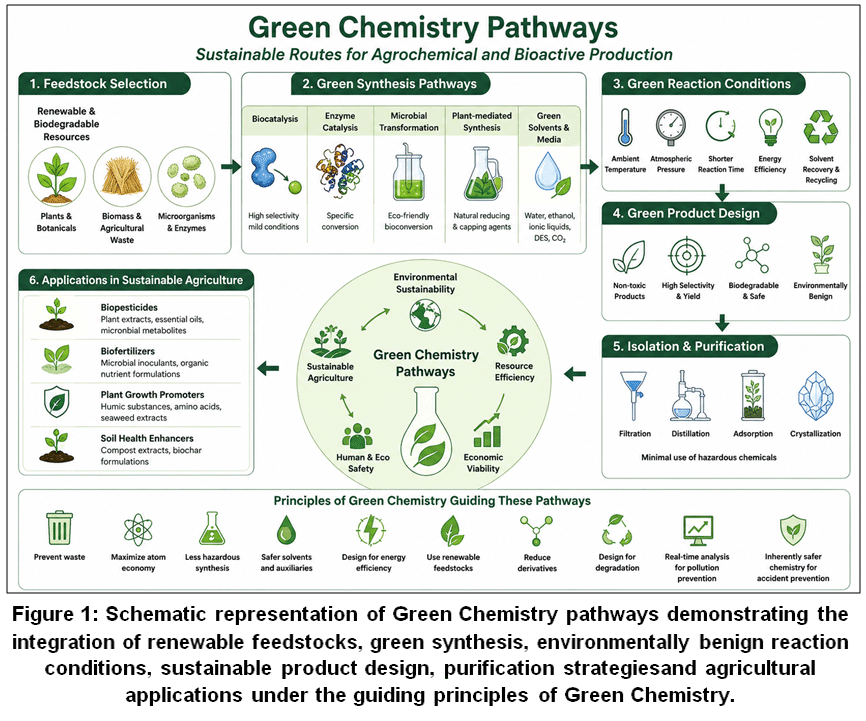 |
Figure 1: Schematic representation of Green Chemistry pathways demonstrating the integration of renewable feedstocks, green synthesis, environmentally benign reaction conditions, sustainable product design, purification strategies and agricultural applications under the guiding principles of Green Chemistry. |
Classical Vrikshayurveda manuscripts document a range of cultivation practices. This review examines these practices through two parallel lenses: their structural correspondence with Green Chemistry principles, and their empirical grounding in the field of contemporary phytochemistry, soil microbiology, and agricultural research. The resulting analysis proposes an integrated framework for selectively incorporating classical techniques into evidence-based medicinal herb cultivation.
Methods and Methodology
Review Methodology
Rationale for Narrative Review Design:
The integration of Vrikshayurveda with Green Chemistry is an emerging, interdisciplinary field lacking sufficient standardized, comparable interventional studies required for systematic review or meta-analysis.
The subject requires synthesis across diverse knowledge domains: classical Ayurvedic texts, modern agricultural science, soil microbiology, phytochemistry, and environmental sustainability, necessitating qualitative evaluation rather than quantitative pooling.
The heterogeneity of case studies, cultivation contexts, and outcome measures precluded meaningful meta-analytical synthesis.
Search Period
The literature included in this review comprised publications spanning January 1998 to June 2026. This publication period was selected to integrate contemporary scientific evidence on Green Chemistry, sustainable agriculture, medicinal plant cultivation, and related interdisciplinary fields with the principles of classical Vrikshayurveda. The broad time span enabled qualitative comparison between traditional agricultural knowledge and recent scientific developments relevant to sustainable cultivation practices.
The electronic literature search was conducted in the duration between February 2026 and May 2026 across the selected scientific databases, institutional repositories, government publications, and market-report sources. The search period was chosen to ensure that the most recent literature available prior to the initial submission of the manuscript was considered for screening and qualitative synthesis.
Classical Ayurvedic texts were purposefully consulted as primary historical sources and were therefore not assigned a separate electronic search period. These texts were accessed through authenticated English translations and recognized scholarly editions based on their direct relevance to the concepts of Vrikshayurveda, plant cultivation, and traditional agricultural practices. Since these works constitute foundational historical literature rather than electronically retrieved publications, only the publication period of their translated editions is reflected in the reference list.
Details regarding the sources consulted, search period, document types and records retrieved are presented in Tables 2 and 3.
Literature Search Strategy and Boolean Keywords
A comprehensive literature search was performed using combinations of controlled vocabulary and free-text keywords related to Vrikshayurveda, Green Chemistry, sustainable agriculture, medicinal plant cultivation, phytochemistry, soil science, and organic agricultural practices. Search terms were adapted, where appropriate, to the syntax and indexing requirements of individual electronic databases.
The search strategy employed Boolean operators (AND, OR) to combine related concepts and broaden or refine the retrieval of relevant literature. Representative search strings included:
(“Vrikshayurveda” OR “plant cultivation”) AND (“Green Chemistry” OR “sustainable agriculture” OR “organic agriculture”)
(“Vrikshayurveda” OR “traditional agriculture”) AND (“medicinal plants” OR “medicinal herbs” OR “Ayurvedic plants”)
(“Kunapajala” OR “Panchagavya” OR “organic manure” OR biofertilizer) AND (“medicinal plants” OR agriculture)
(“Bhumi Pareeksha” OR “soil assessment” OR “soil testing” OR “soil selection”) AND (“medicinal plant cultivation” OR agriculture)
(“secondary metabolites” OR phytochemical) AND (“organic cultivation” OR “Green Chemistry”)
(“integrated pest management” OR “soil microbiome”) AND (“organic farming” OR sustainability)
Additional manual searches of the reference lists of relevant publications were undertaken to identify further eligible studies that were not retrieved during the initial electronic database search. The search was restricted to English-language publications, while classical Sanskrit literature was consulted through authenticated English translations and recognized scholarly editions and in this process, 70 records were considered on initial level.
Duplicate Identification Criteria
Duplicate records retrieved from multiple electronic databases were identified and removed based on the following criteria:
Identical article title, irrespective of the database from which it was retrieved.
Same author(s) and publication year.
Identical Digital Object Identifier (DOI), ISBN, report number, or other unique publication identifier, wherever available.
Same journal, volume, issue, and page numbers representing the same publication indexed in multiple databases.
Repeated retrieval of identical government reports, WHO publications, market reports, or books through different search platforms.
When duplicate records were identified, the version containing the complete bibliographic information and final published text was retained for further screening.
Application of the duplicate identification criteria resulted in the removal of five duplicate records retrieved from multiple electronic databases. The remaining records were subsequently subjected to title, abstract and full-text screening according to the predefined eligibility criteria.
Inclusion and Exclusion Criteria:
Inclusion Criteria
Peer-reviewed research articles, review articles, case studies or experimental studies relevant to Vrikshayurveda, Green Chemistry, sustainable agriculture, medicinal plants, organic farming, phytochemistry or plant biostimulants.
Research on secondary metabolite profiles in organically vs. conventionally grown medicinal herbs.
Classical Ayurvedic texts containing authenticated descriptions of plant cultivation, Bhumi Pareeksha, Bija Samskara, Bija Lepana, Kunapajala, Panchagavya, or related agricultural practices, consulted through recognized English translations or scholarly commentaries.
Studies providing experimental, observational or mechanistic evidence relevant to the principles and applications of Vrikshayurveda and Green Chemistry.
Scientific studies providing modern validation of traditional agricultural practices through agronomy, soil science, microbiology, plant physiology, phytochemistry, ecology or environmental science.
Studies investigating cultivation practices affecting medicinal plant growth, yield, secondary metabolite production or phytochemical quality.
Publications addressing practical applications, technological innovations, limitations or future prospects of sustainable agricultural systems.
Reports published by recognized organizations (e.g., WHO, Government of India ministries, and established market research organizations) with transparent methodology and relevance to the objectives of the review.
Modern reference books published by recognized academic publishers that provided foundational concepts relevant to Green Chemistry, plant pathology, soil science, medicinal plant cultivation or sustainable agriculture.
Reliable and relevant market reports that discuss trade and consumption of organic products across the world.
Articles related to applications and their future scope for sustainable agriculture.
Whenever multiple publications supported the same scientific claim, preference was given to the most recent, peer-reviewed and methodologically robust source.
Exclusion Criteria
Sources were excluded if they met one or more of the following conditions:
Duplicate publications identified during the screening process.
Articles unrelated to the objectives of the review or lacking direct relevance to Vrikshayurveda, Green Chemistry, medicinal plant cultivation or sustainable agriculture.
Publications lacking sufficient methodological transparency or consisting of insufficient empirical evidence.
Opinion pieces, editorials, blogs, commercial promotional material or websites without verifiable scientific or institutional credibility.
Publications with incomplete bibliographic information or unverifiable source details that could not be independently confirmed.
Conference abstracts or preliminary reports lacking sufficient methodological detail, unless they represented unique historical evidence directly relevant to the review.
Articles superseded by more recent, comprehensive or higher-quality evidence addressing the same scientific question.
Non-English publications without authenticated English translations (except where reliable translated editions of classical texts were available).
Screening Procedure
Records remaining after duplicate removal were screened in three sequential stages: title screening, abstract screening and full-text assessment. During title screening, publications were evaluated for their relevance to the objectives of the review, namely Vrikshayurveda, Green Chemistry, sustainable agriculture, medicinal plant cultivation, phytochemistry, soil health and organic agricultural practices. Abstract and Full-text articles were subsequently assessed against the predefined inclusion and exclusion criteria described in Section 2.5.
Classical Ayurvedic texts were evaluated separately for authenticity and thematic relevance. Preference was given to authenticated English translations and scholarly commentaries published by recognized academic institutions or experts, texts with documented historical provenance, and sources that have been widely cited in peer-reviewed literature on traditional agricultural knowledge. This approach ensured that classical evidence was incorporated in its original context without selective interpretation.
Government reports, WHO publications, market reports, books and other documentary sources were assessed for methodological transparency, publication credibility, recency and direct relevance to the objectives of the review. Priority was given to peer-reviewed scientific literature and publications issued by recognized national or international organizations. Gray literature was included only when its methodology was clearly documented and its findings could be corroborated by independent scientific evidence.
Following application of the screening criteria, seven records were excluded for failing to meet the predefined eligibility criteria. The remaining 58 records were retained for qualitative synthesis and thematic analysis.
Study Selection
An initial 70 records were identified through electronic database searches, documentary sources, and authenticated classical literature. Following duplicate identification and removal, the remaining records underwent title, abstract and full-text screening based on the predefined inclusion and exclusion criteria. After completion of the eligibility assessment, 58 records satisfied the review criteria and were retained for qualitative synthesis and thematic analysis.
The final evidence base comprised 38 peer-reviewed journal articles (including original research articles, experimental studies, review articles and case studies), 4 market research reports, 3 government reports, 2 modern scientific books, 3 WHO publications and 8 classical textual records from two authenticated Ayurvedic texts. These sources collectively provided historical, scientific, agronomic, environmental and market-related evidence required to critically evaluate the integration of Vrikshayurveda with Green Chemistry principles for sustainable agriculture.
A detailed classification of the electronic literature sources and documentary evidence is presented in Table 2, while the classical texts consulted are summarized separately in Table 3. The overall study selection process is illustrated in the PRISMA flow diagram (Figure 2).
Table 2: Electronic Literature Search Strategy
| Sr. No. | Database / Source Searched | Type of Document | Electronic Search Conducted (Month/Year) | No. of records retrieved |
| 1 | PubMed | Research articles, Reviews | May 2026 | 10 |
| 2 | Scopus | Research articles, Reviews | May 2026 | 11 |
| 3 | Google Scholar | Articles, Books | May 2026 | 10 |
| 4 | ScienceDirect | Research articles, Reviews | May 2026 | 3 |
| 5 | SpringerLink | Research articles | May 2026 | 2 |
| 6 | WHO | Organization reports | May 2026 | 3 |
| 7 | Ministry of Health and Family Welfare | Government reports | May 2026 | 2 |
| 8 | Ministry of Statistics and Programme Implementation (MoSPI) | Government reports | May 2026 | 1 |
| 9 | DHARA | Ayurveda research articles | May 2026 | 2 |
| 10 | Grand View Research | Market Research reports | May 2026 | 2 |
| 11 | Towards healthcare | Market Research reports | May 2026 | 1 |
| 12 | Skyquest tech consulting | Market Research reports | May 2026 | 1 |
| 13 | Google Books | Books | May 2026 | 2 |
Table 3: Classical Texts Consulted
| Sr. No. | Classical Text | Author | Translation | No. of records retrieved |
| 1 | Vrikshayurveda | Surpala | Sadhale (English translation) | 6 |
| 2 | Brihat Samhita | Varahamihira | M. Ramakrishna Bhat | 2 |
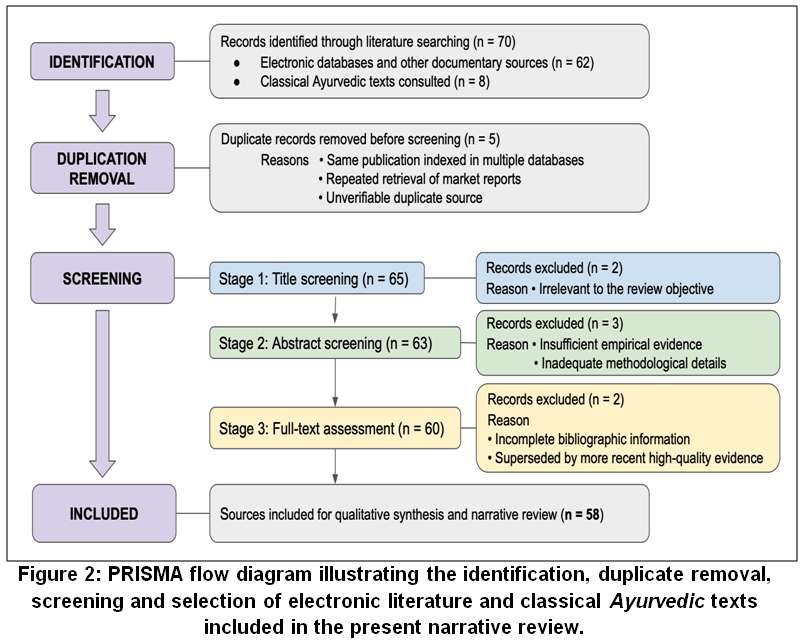 |
Figure 2: PRISMA flow diagram illustrating the identification, duplicate removal, screening and selection of electronic literature and classical Ayurvedic texts included in the present narrative review. |
Vrikshayurveda Techniques
Bhumi Pareeksha13 – Soil Selection & Land Assessment
Before any seed is sown, before any plant is nurtured, Ayurveda demands a foundational act of wisdom: the assessment of the earth itself. The Sanskrit term Bhumi Pareeksha literally means “soil examination” or “land investigation”. It is a holistic, multi-sensory evaluation of whether a given piece of land possesses the inherent capacity to support the cultivation of a specific plant with therapeutic integrity.
Just as an Ayurvedic physician diagnoses a patient’s constitution (Prakrti) before prescribing treatment, the classical agriculturalist must diagnose the land’s constitution before selecting which herbs to cultivate.
According to the Classical texts, there are three categories of Bhumi,14
(a) Jangala Desa
Jangala refers to lands that are inherently arid, sandy, and dry characterized by:
Low water retention capacity
Higher daytime temperatures and greater temperature fluctuations
Sandy to sandy-loam soil texture
Minimal natural water sources
Sparse, drought-resistant native vegetation
Rapid drainage; water percolates quickly through the soil profile
Jangala lands are best suited for cultivation of plants with deep root systems as they have the ability to withstand desiccation, and reduced transpiration rates.
Classical recommendations for Jangala soils are Ashwagandha (Withania somnifera), Mulethi (Glycyrrhiza glabra), Devdaru (Cedrus deodara), Neem (Azadirachta indica), Ativisha (Aconitum heterophyllum).
Forcing water-loving plants into Jangala soil would require constant, unsustainable irrigation and would result in nutrient-poor plants with compromised phytochemical profiles.
(b) Anupa Desa
Anupa denotes lands that are perpetually moist, marshy, or swampy characterized by:
High water table
Heavy clay soils with poor drainage
Cool, humid micro-climates
Abundant aquatic and semi-aquatic vegetation
Risk of waterlogging and anaerobic soil conditions
High incidence of fungi, moulds, and water-loving pathogens
Anupa lands are suited for plants that naturally thrive in wetland environments and classical recommendations for Anupa soils would be Brahmi (Bacopa monnieri), Mandukparni (Centella asiatica), Jatamansi (Spikenard), Varuna (Crataeva religiosa), Sugarcane, bamboo, and rattan.
The texts recognize a critical principle: water-loving plants grown in water-loving soils require less artificial irrigation and maintain higher therapeutic potency because they are in harmony with their native ecological niche.
Sadharana Desa – Moderate, Balanced Lands
Sadharana refers to lands with optimal, balanced characteristics, neither too dry nor too wet. These are characterised by:
Moderate water retention
Well-drained loamy soils rich in organic matter
Moderate daytime and seasonal temperature fluctuations
Abundant soil microbes and organic biodiversity
Native vegetation that is diverse and lush without being aquatic
Supporting year-round cultivation with seasonal adjustments
Sadharana lands are the most versatile and can support the broadest range of medicinal plants such as Tulsi (Ocimum sanctum), Bhringaraj (Eclipta alba), Ajwain (Trachyspermum ammi), Haridra (Curcuma longa), Amalaki (Phyllanthus emblica).
The texts note that Sadharana lands produce herbs with the most balanced secondary metabolite profiles because the plants experience neither excessive stress (from drought or waterlogging) nor excessive indulgence from unlimited resources. This moderate stress triggers optimal phytochemical production.
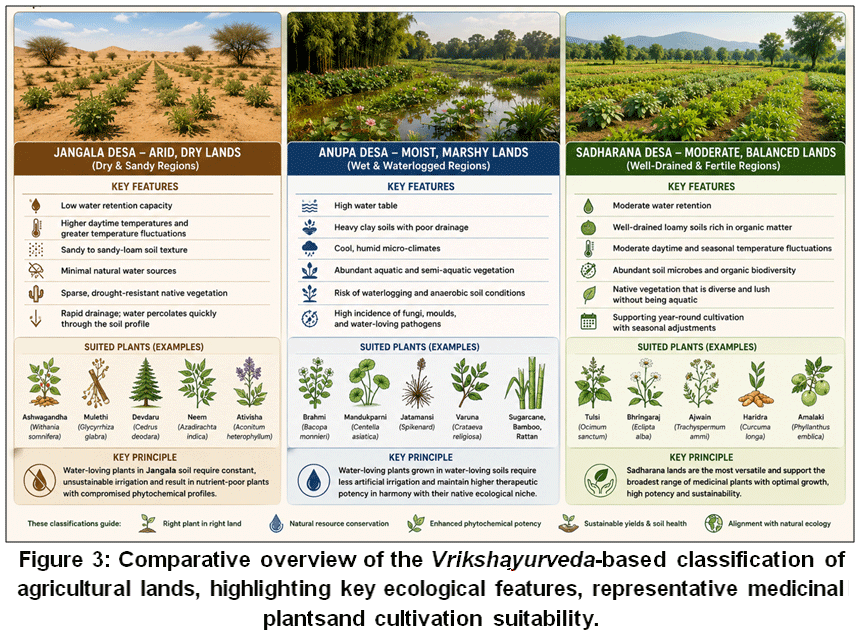 |
Figure 3: Comparative overview of the Vrikshayurveda-based classification of agricultural lands, highlighting key ecological features, representative medicinal plants and cultivation suitability. |
Ecological Indicators of Subsurface Water
An important extension of Bhumi Pareeksha in classical Indian agricultural science was the assessment of natural water availability before cultivation.15 In addition to evaluating soil texture, fertility, drainage, and ecological suitability,13 classical texts describe the use of ecological indicators such as characteristic vegetation, soil properties, termite mounds, and landforms too identify areas with a higher likelihood of subsurface water.15 Rather than relying solely on artificial irrigation, these observations enabled selection of cultivation sites that naturally supported plant growth. Contemporary ecohydrological research similarly recognizes vegetation characteristics and groundwater-dependent ecosystems as useful indicators of subsurface water availability, particularly in arid and semi-arid landscapes.15 This reinforces the underlying ecological principle of matching crops to naturally suitable environments while minimizing external resource inputs.
The underlying principle of Bhumi Pareeksha is that medicinal plants cultivated in ecologically suitable soils and hydrological conditions require fewer external agricultural inputs and exhibit healthier growth.13 Matching crops with their natural ecological niche, therefore, promotes sustainable cultivation and can help reduce dependence on synthetic agrochemicals while supporting desirable phytochemical quality.16
It primarily aligns with Principle 3 (Less Hazardous Chemical Syntheses) and Principle 1 (Prevention). By selecting cultivation sites with naturally suitable soil characteristics and water availability, the technique minimizes the need for synthetic fertilizers, pesticides, soil amendments, and excessive irrigation. Preventive site selection also reduces crop failure, resource wastage, and environmental contamination, reflecting Green Chemistry’s emphasis on preventing pollution at its source rather than correcting it after cultivation.
Case Study: Bhumi Pareeksha for Medicinal Plant Cultivation (Udaipur, Rajasthan)
Researchers at a college garden (Charak Upvan, Amberi, Udaipur) performed a dual Bhumi Pareeksha – combining both: Classical Ayurvedic soil analysis (Mahabhoot dominance, Shadrasa taste classification, soil texture type) and Modern laboratory soil testing (pH, EC, organic carbon, NPK, micronutrients)
The soil was classified using vrikshayurveda categories and matched to the medicinal plant Shweta Musali (Chlorophytum borivilianum), confirming that the land was suitable for cultivation.
The study concluded that the land is suitable for medicinal plant cultivation with organic amendments alone (FYM + Vermicompost), validating the ancient Bhumi Pareeksha methodology.
As per Ayurvedic aspects, the soil at Charak Upvan comes under the category of Parthiva Bhumi which is said to be suitable for plants like Shweta musali.
The mineral content of the soil was found optimal for Shweta Musali cultivation based on both Ayurvedic and modern assessment, suggesting these methods may assist in appropriate crop selection.
Plant Protection and Propagation Techniques
Ayurveda‘s vrikshayurveda employs holistic techniques to safeguard plant health and enhance growth. Milk-coated seeds, protective seed pastes, root smearing with herbal formulations, and plastering cut ends create natural barriers against pathogens and pests. These may promote improved germination and disease resistance.
Bija Samskara13 – Seed Treatment
Bija Samskara literally means the refinement, conditioning, or sanctification of seed before sowing. In vrikshayurveda, it is a practical pre-sowing technology meant to improve germination, seedling vigor, storage life, and disease resistance. In modern terms, it closely resembles a combination of seed priming, seed coating, biostimulation, and seed disinfection for faster germination, better tolerance to abiotic stress and reduced seedling mortality.
Surapala‘s text prescribes seed conditioning through sequential milk soaking and drying cycles. Milk-based priming treatments are documented in contemporary seed physiology literature to soften integuments and accelerate germination kinetics. Repeated wetting-drying sequences modulate dormancy mechanisms in recalcitrant seed types. Following this preparation, seeds undergo smoke exposure using mustard and Vidanga (Embelia ribes). Vidanga contains embelin, a benzoquinone compound with demonstrated antimicrobial and antifungal activity. This makes Vidanga a plausible natural seed protector. In modern language, it may function like a botanical disinfectant, helping reduce early seed rot and damping-off pressure.
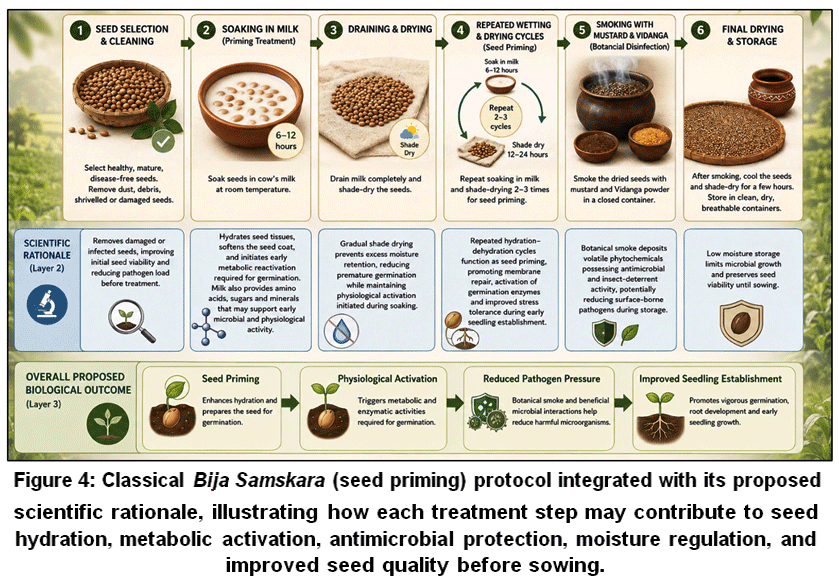 |
Figure 4: Classical Bija Samskara (seed priming) protocol integrated with its proposed scientific rationale, illustrating how each treatment step may contribute to seed hydration, metabolic activation, antimicrobial protection, moisture regulation, and improved seed quality before sowing. |
This resembles modern seed priming, where seeds are partially hydrated before sowing to improve faster and more uniform germination.
In an experimental vrikshayurveda-based study on Bakuchi (Psoralea corylifolia), milk-based pretreatments improved germination behavior; one organic treatment outperformed the chemical scarification control in that trial.18
A milk-priming study in bitter gourd cited in the same review reported better germination than simple hydro-priming in some conditions.
Bija Lepana19 – Coating seeds
The seed is covered with a paste or powder mixture majorly constituting cow dung before sowing. It contains beneficial microbes such as Bacillus, Pseudomonas, actinomycetes, and other decomposer organisms that may suppress seed- and soil-borne pathogens and act as microbial inoculant and protective biofilm. Along with that the paste contains Brihati powder, Tila (sesame) as it is oily and nutritive so it protects against excess moisture loss and Kamala-nala which possibly improves the coating texture and moisture balance.
Nautiyal et al. (2013), demonstrated that cow dung-coated chickpea seeds reduced cell wall-degrading enzyme activities, thereby contributing to suppression of wilt complex disease.20
Mula Lepana13 – Smearing bulbous roots
Bulbs, rhizomes, and fleshy roots are vulnerable because planting often creates wounds and exposes them to desiccation and fungal infection. The classical texts recommend applying honey and clarified butter as honey has well-known osmotic and antimicrobial properties while ghee forms a protective lipid layer that reduces moisture loss and together, they act as a natural wound sealant.
Modern treatment of bulbs, tubers, and rhizomes with protective biocoatings, antifungal dips and wound sealants before planting resembles the classical method in its spirit.
It is especially relevant for crops propagated vegetatively, where planting material quality strongly determines stand establishment.
Vrana Lepana – Plastering cut ends
Sugarcane setts and similar propagules are prone to drying out before rooting or microbial invasion through cut ends, which is a well-documented pathway through which soil-borne fungi such as Ceratocystis paradoxa colonize and destroy parenchymatous tissues before germination can occur, ultimately resulting in poor establishment of the plant.21 Plastering cut ends of such plants with honey, ghee, hog fat and cow dung is essentially a cut-surface management protocol. Honey, possesses well-characterized antimicrobial properties. It collectively forms a physical and biochemical barrier against microbial colonization of wound surfaces.22 Ghee provides antifungal fatty acids and supports wound surface integrity,23 while cow dung introduces beneficial biocontrol microflora capable of suppressing fungal pathogens.24
Parallelly, in modern science this treatment is done using fungicides, hot water and sealant formations. Both of them are similar in functioning and the classical one may offer advantages for plant quality and environmental health, though further comparative studies are needed.
Table 4: Alignment of Ayurvedic plant protection and propagation treatment with Green Chemistry principles.
| Sr. No. | Method | Green Chemistry Principles | Key Benefits | Scientific Evidence | Evidence Status | Supporting Reference |
| 1 | Bija Samskara | 1. Prevention | Prevents disease early | Vidanga (Embelia ribes) contains embelin, a naturally occurring benzoquinone that contains antimicrobial, antifungal, and antioxidant properties. This provides a scientific basis for its traditional use in Bija Samskara as a botanical seed protectant against seed-borne microorganisms. | Mechanistically supported |
Poojari, 201425 |
| 9. Catalysis | Natural Biostimulation | Traditional pre-germination treatments improved germination percentage and seed viability thereby, supporting their role as natural biostimulants. | Experimentally validated |
Raghu et al., 2016 26 |
||
| 2 | Bija Lepana | 3. Less Hazardous Synthesis | Natural coatings | Bija Lepana employs naturally derived coating materials that adhere bioactive compounds to the seed surface and perform functions comparable to modern bio-based seed coatings for seed protection. | Review evidence |
Sohail et al., 202227 |
| 12. Inherently Safer Chemistry | Low toxicity | Bio-based seed coatings employ biodegradable, bio-based materials as alternatives to petroleum-derived coating agents, thereby reducing environmental contamination and dependence on synthetic chemical inputs. | Critical review | Behera et al., 202124 | ||
| 3 | Mula Lepana | 4. Designing Safer Products | Multi-functional herbal coatings | Plant biostimulants improve plant tolerance to abiotic stresses, including salinity, drought, nutrient deficiency, and high temperature too. | Review evidence |
Rouphael & Colla, 202028 |
| 10. Design for Degradation | Fully biodegradable | Plant-based agricultural formulations are inherently biodegradable because they consist predominantly of naturally occurring organic compounds that are readily decomposed by environmental microorganisms. | Comprehensive review | Campos et al.,201529 | ||
| 4 | Vrana Lepana | 4. Designing Safer Chemicals 6. Hazard Prevention | Inherently safe formulation | Plant-derived pest management products are developed to provide effective biological activity while reducing dependence on conventional synthetic pesticides and their associated environmental hazards. | Review evidence |
Isman, 202030 |
Kunapajala
Kunapajala is among the earliest documented fermented liquid organic manures, originating in ancient India. “Kunapa” = stinking | “Jala” = water, together: Kunapajala literally means “the stinking water”. It predates modern synthetic liquid fertilizers by nearly a millennium. “This kunapa is highly nourishing for the trees.”
A detailed process of its formation is given by Surpala in the verses 101 to 105 which are as follows:
Verse 101: “The excreta, marrow of the bones, flesh, brain, and blood of a boar mixed with water and stored underground is called kunapa.”
Verse 102: “As per availability, the fat, marrow, and the flesh of fish, the ram, the goat, and other horned animals should be collected and stored.”
Verse 103: “These should be boiled after mixing with water, and the mixture should be stored in an oiled pot after adding sufficient quantity of husk.”
Verse 104: “After roasting it in an iron pot, sesame oil cake and honey should be added. Soaked black gram of good quality should also be added. A little ghee should then be poured.”
Verse 105: “The items stated above should be taken at random as there is no measure for anything. One by one, items should be placed in the pot in a warm place by a competent person.”
The classical formulation is flexible as ancient texts emphasize no fixed measure but the core categories remain consistent across all texts which are animal derivatives (flesh, marrow, fat, blood), dairy components (milk, ghee, curd), legumes (soaked or boiled black gram), sesame oil cake, sweeteners (honey, jaggery), paddy husk and water.
Method of Preparation13
The classical preparation process begins with the collection of animal remains (flesh, marrow, fat, blood) and boiling them thoroughly in water. They are then transferred to an earthen pot and paddy husk is added while storing along with sesame oilcake, soaked gram, honey, ghee and milk. The pot is then sealed and stored in a warm location for 14 – 15 days to facilitate anaerobic fermentation. When the compound darkens, thickens, and develops a pungent smell, it signals readiness after which the liquid is filtered. This liquid is called Kunapajala.
The fermentation converts complex organic molecules (proteins, fats, carbohydrates) into simple, low-molecular-weight compounds such as amino acids, fatty acids, and simple sugars which plants can absorb far more rapidly than raw organic matter.
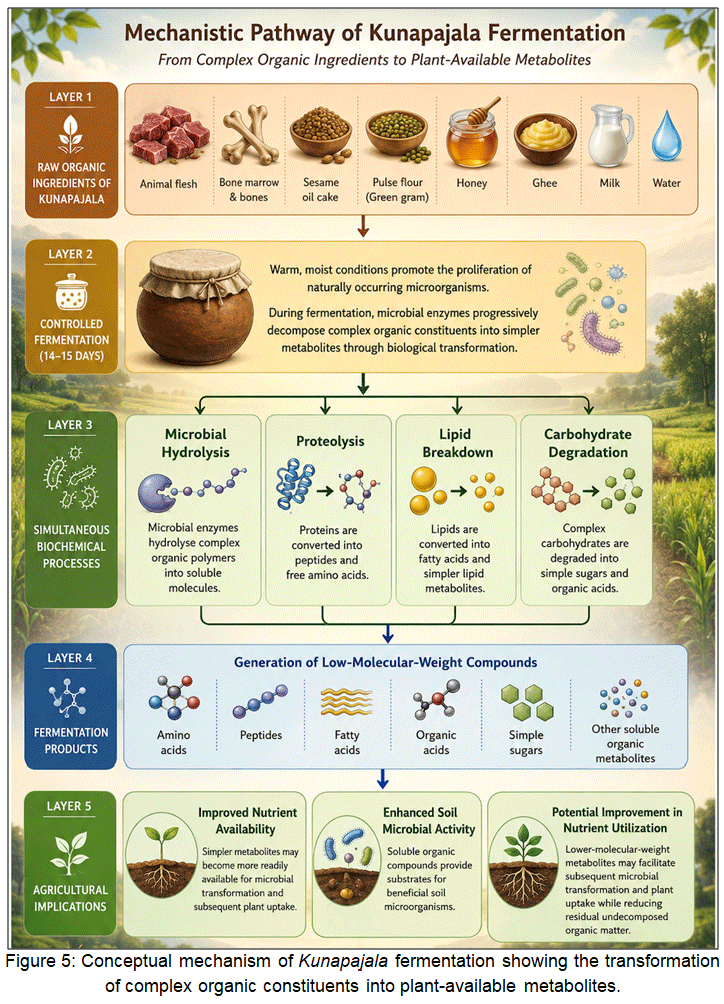 |
Figure 5: Conceptual mechanism of Kunapajala fermentation showing the transformation of complex organic constituents into plant-available metabolites. |
As classical texts explicitly state that “there is no measure for anything” (Verse 105), contemporary researchers have developed a standardized, quantified protocol that preserves the classical ingredient categories while enabling reproducible preparation under controlled conditions. Following the protocol documented by Mukherjee et al.,31 livestock and fish waste (1.25 kg each: Black Bengal goats, Capra hircus) with crushed bones, fins, skins, and marrows are boiled in 2.5 L of water at 100°C for 1 hour. After cooling, the liquid residue is added to 5.0 L of water along with rice husks, mustard oil cake, and green gram (Vigna radiata). Cow dung, cow urine, cow milk, ghee, and honey are then serially added and the mixture is adjusted to a final volume of 50.0 L with water. The container is kept under shade at 25–30°C with twice-daily stirring and the mouth covered with cloth to facilitate aeration while preventing contamination. Samples are collected at 30-day intervals (0, 30, 60, and 90 days), with the preparation considered mature when it develops a characteristic fermented odor and dark brown coloration. These are measurable indicators that complement the classical organoleptic endpoints. The filtered liquid is applied as a 1% v/v foliar spray once every 15 days or as a soil drench as needed.
Kunapajala is applied using several methods suited to specific crop needs:
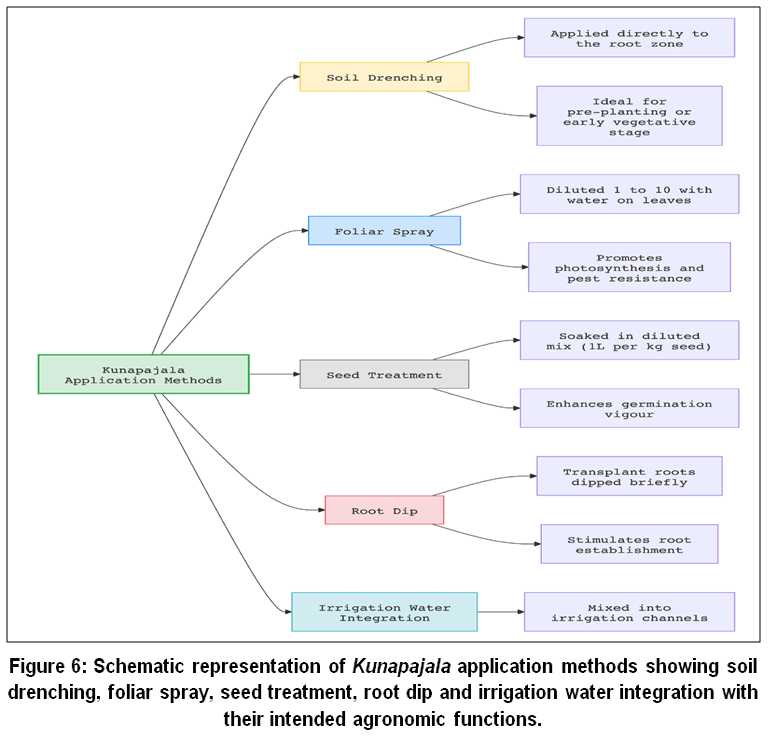 |
Figure 6: Schematic representation of Kunapajala application methods showing soil drenching, foliar spray, seed treatment, root dip and irrigation water integration with their intended agronomic functions. |
Benefits
Preliminary studies suggest Kunapajala may contribute to soil health in terms of:
Better soil structure, porosity, and water-holding capacity
Increase in beneficial microbial diversity
Promotes organic carbon sequestration
Improves degraded soil over time
Preliminary studies suggest it may contribute to plant growth as it:
Contains natural plant growth hormones (auxins) promoting root elongation and shoot development
Accelerates germination and seedling vigour
Boosts chlorophyll content and photosynthetic efficiency
Enhances flowering, fruiting, and reproductive development of trees
Kunapajala has demonstrated potential in pest and disease management:
Husk makes plant cell walls strong against insect attacks32
Milk components provide resistance against viral diseases33
Bio-pesticidal fermentation metabolites deter insects and rodents
Moreover, It improves the nutritional value, taste, and shelf life of vegetables and fruits, with observed increases in protein content of legumes. Field trials have documented enhanced micronutrient bioavailability, extended post-harvest stability, and increased secondary metabolite concentrations in produce treated with Kunapajala formulations (Mukherjee et al.).31
Kunapajala exemplifies green chemistry principles, as follows. Fermentation in Kunapajala partially converts complex organic materials into simpler metabolites through microbial activity. Although direct evidence for enhanced nutrient assimilation remains limited, these smaller, more soluble compounds may become more readily available for soil microorganisms and subsequent plant uptake, providing a plausible basis for its alignment with Green Chemistry Principle 2 (Atom Economy). Further it aligns with Principle 3 (Less Hazardous Synthesis), as it is primarily composed of natural ingredients, reducing hazardous chemical byproducts. Kunapajala also demonstrates conceptual alignment with Green Chemistry Principle 5 (Safer Solvents and Auxiliaries) with naturally derived carriers such as honey, ghee, and milk rather than synthetic chemical solvents. Likewise, its biodegradable organic constituents are expected to degrade naturally after application, suggesting consistency with Principle 10 (Design for Degradation). While further experimental validation is warranted, these characteristics indicate the potential for a lower environmental footprint than many conventional synthetic inputs.
Case Study: Preliminary Field Evaluation of Kunapajala in Bacopa monnieri34
A preliminary field investigation reported in the Journal of Emerging Technologies and Innovative Research (JETIR) evaluated the cultivation of Bacopa monnieri under three nutrient management regimes: (i) Kunapajala-based cultivation following Vrikshayurveda recommendations, (ii) conventional NPK fertilization, and (iii) cultivation without nutrient supplementation. Over the cultivation period, the Kunapajala-treated plants demonstrated comparatively improved vegetative growth and produced higher biomass and bacopaside content than the comparison groups. Although the study was conducted on a limited scale and requires independent validation across multiple locations and growing seasons, it provides preliminary evidence that traditional fermented organic formulations such as Kunapajala may enhance both crop performance and phytochemical quality while reducing dependence on synthetic fertilizers. These observations support further investigation of Kunapajala as a sustainable nutrient input within medicinal plant cultivation.
Panchagavya: An Ancient Bio-Formulation
Panchagavya is a time-honored bio-formulation in Indian agriculture. The term is derived from the Sanskrit roots pancha (five) and gavya (products of the cow), collectively referring to a preparation that unites five sacred bovine substances into a single potent agricultural and therapeutic compound.
The Ayurvedic Formulary of India (AFI), published by the Government of India, provides the modern official standardized protocol for Panchagavya Ghrita based directly on the classical instructions, representing a rare bridge between traditional knowledge and state-recognized science.
Cow Dung serves as the foundational microbial inoculum of the preparation. It is teeming with beneficial bacteria including nitrogen-fixing Azotobacter, phosphate-solubilizing Pseudomonas and Bacillus, lactic acid bacteria, actinomycetes, and plant growth-promoting rhizobacteria (PGPRs).36 It also contributes organic carbon, nitrogen and cellulose-degrading enzymes forming the nutritional backbone of the mixture.
Cow Urine is rich in urea (a direct nitrogen source), amino acids, volatile fatty acids, hormones, and antimicrobial compounds.37 It also acts as a natural carrier that facilitates the absorption of other nutrients into plant tissues, and its volatile ammonia compounds stimulate leaf-surface nitrification when applied as a foliar spray.38 It acts as the formulation’s natural preservative and biopesticide.
Cow Milk contributes a rich supply of carbohydrates (lactose), proteins, amino acids, calcium, phosphorus, and vitamins A, D, and B-complex. Milk also serves as a fermentation substrate, fueling the growth of lactobacilli which produce lactic acid which is a potent suppressor of soil-borne fungal pathogens.39
Cow Curd introduces live cultures of Lactobacillus species into the preparation, which during fermentation produce lactic acid, bacteriocins, and hydrogen peroxide. Curd also contributes proteins and amino acids that serve as slow-release nitrogen sources for plant uptake. It is the primary driver of the acidic fermentation that preserves the formulation and generates its bioactive metabolite spectrum.
Cow Ghee functions as the lipid-phase carrier of the formulation. It is rich in saturated and unsaturated fatty acids, fat-soluble vitamins (A, D, E, K), and conjugated linoleic acids. In the preparation, ghee mixed with cow dung in the initial fermentation phase stimulates thermophilic microbial growth.40 Ghee also plays a critical role in making the preparation’s hydrophobic bioactive compounds bioavailable to plant tissues through emulsification.
Method of Preparation
The preparation of Panchagavya follows a carefully staged fermentation protocol based on the method described by Suchith Kumar and Singh,35 as outlined below:
DAY 1: Combine 5 kg fresh Cow Dung + 1 kg Cow Ghee
↓
Transfer to a wide-mouthed earthen/plastic container
↓
DAYS 1–4: Aerobic fermentation (Thermophilic bacteria break down lipid–protein complexes)
↓
DAY 5 Add: 3 Litres Cow Urine + 2 Litres Cow Milk + 2 Litres Cow Curd
↓
═══ Now, Classical 5-ingredient assembly is complete ═══
↓
Add accelerators:
1 kg jaggery (dissolved in 3 Litres water)
3 L tender coconut water
12 ripe bananas
3 L sugarcane juice
↓
Stir vigorously twice daily
↓
DAYS 15–30 Incubate in partial shade at ambient temperature (Maturity indicators: earthy odour, rich metabolites)
↓
Filter the liquid → Stock solution obtained
Hence, the Panchgavya liquid gets ready for application at a 3% dilution for agricultural fields.
The proposed biological processes that may occur during Panchagavya fermentation and their potential contribution to nutrient transformation are summarized in Figure 7.
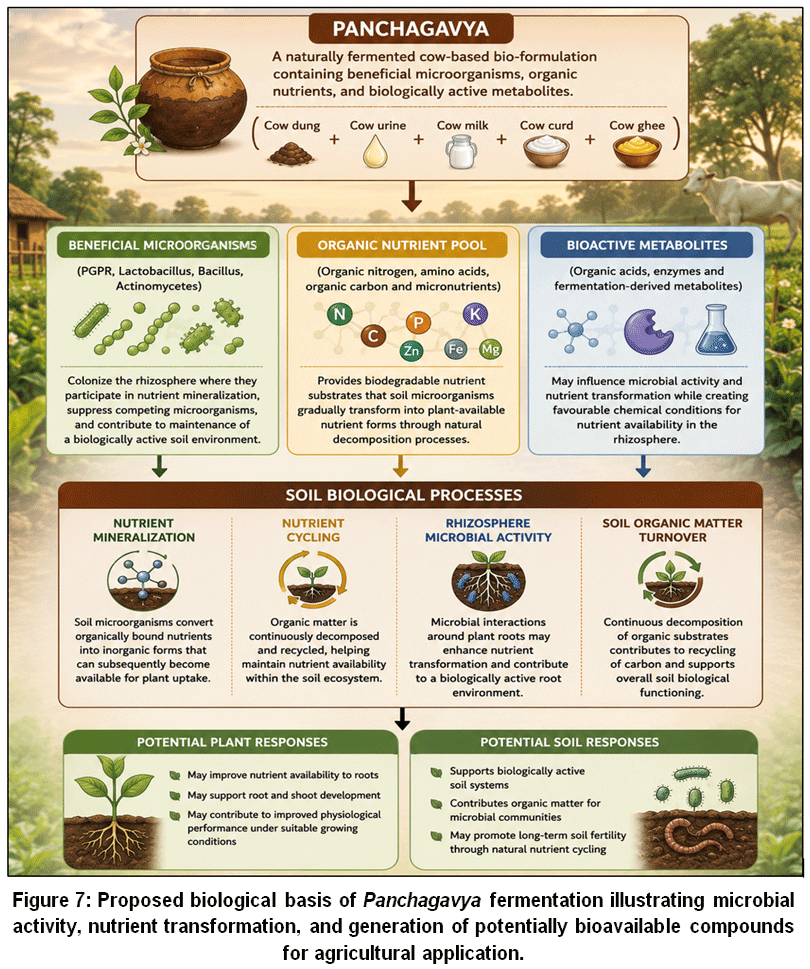 |
Figure 7: Proposed biological basis of Panchagavya fermentation illustrating microbial activity, nutrient transformation, and generation of potentially bioavailable compounds for agricultural application. |
Application Methods for Plant Improvement
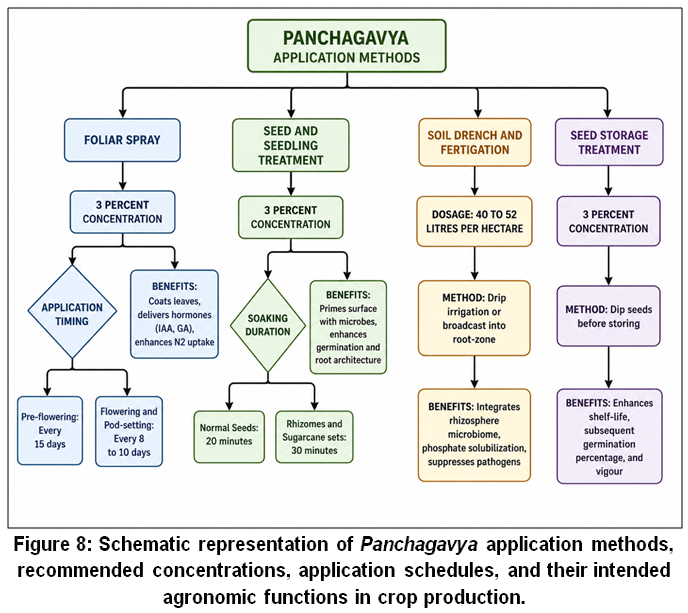 |
Figure 8: Schematic representation of Panchagavya application methods, recommended concentrations, application schedules, and their intended agronomic functions in crop production. |
Benefits
Enhanced Plant Growth: Priming seedlings with 3% Panchagavya solution significantly increases germination percentage and speed of germination. These seedlings develop stronger root architecture and better shoot growth. Foliar applications during vegetative stages result in increased plant height.41 Soil drench applications stimulate fine root proliferation and deeper root penetration into soil layers resulting in improved nutrient intake, a quality that translates directly into drought resilience. The phytohormones IAA and GA present in the formulation stimulate cell elongation, apical dominance reduction, and lateral root proliferation.
Increased Yield: Experimental studies have reported improvements in crop growth and yield following Panchagavya application under specific cultivation conditions. The extent of the response appears to depend on factors such as crop species, formulation, application frequency, and environmental conditions; therefore, yield enhancement should be regarded as context-specific rather than a universal outcome.
Higher Fruit produce: Enhanced flowering and pod-setting through 8–10-day spray frequency during reproductive stages. Improved ovule development and fruit retention in legumes by 22-28%, leads to higher harvest. Continuous hormonal supply prolongs productive flowering period, allowing more fruits to set.42
The foliar spray produces measurably larger leaves, denser canopies, and greater photosynthetic area, which maximizes the conversion of solar energy into plants. (Suchith Kumar & Singh,)41
Enhanced Produce Quality: Panchagavya has been documented to improve nutritional value, taste, shelf-life, and the visual appeal of fruits and vegetables.
Align with Organic Standards: Panchagavya is a promising organic bio-formulation that supports sustainable crop production by reducing dependence on synthetic fertilizers and pesticides. In soybean, foliar application of 5% Panchagavya significantly improved yield-attributing characters, seed yield, and economic returns compared with untreated controls. These findings indicate that Panchagavya can serve as an effective component of organic farming systems, enhancing crop productivity while promoting environmentally sustainable agricultural practices (Sutar et al.).43
Self-Protection: Its microbiome is hypothesized to contribute to suppression of fungal pathogens through competitive exclusion and production of organic acids and hydrogen peroxide.
Case Studies
In a three-year longitudinal field study published in Frontiers in Sustainable Food Systems (2025), researchers evaluated integrated organic nutrient management on a maize–berseem–cowpea sequential cropping system in India. The treatment combining 100% recommended nitrogen through farmyard manure (FYM), plant growth-promoting rhizobacteria (PGPR), and a 3% foliar Panchagavya spray consistently produced superior performance among the organic treatments over three consecutive years and was accompanied by sustained improvements in post-harvest soil nitrogen, phosphorus, and potassium availability.44
Field experiments conducted at Tamil Nadu Agricultural University, Coimbatore evaluated Panchagavya in a maize–sunflower–green gram cropping system. Among the organic nutrient treatments, the combination of biogas slurry and Panchagavya foliar spray produced the highest maize and sunflower yields and performed comparably to the recommended fertilizer treatment for several yield parameters. These findings indicate that Panchagavya, when integrated with suitable organic nutrient sources, can contribute to maintaining crop productivity while supporting reduced dependence on synthetic fertilizers in integrated nutrient management systems.45
Field observations reported by Valmiki Sreenivasa Ayangarya at Abali Tea Estate, Arunachal Pradesh, described the use of Kunapajala-derived formulations, namely Sasyagavya and Indsafari, in organic tea cultivation. Soil application of Sasyagavya was reported to improve the apparent health and vigor of tea bushes, while foliar application of Indsafari (1%) was reported to reduce attacks of tea mosquito (Helopeltis) and loopers. These observations suggest the potential of Vrikshayurveda-inspired formulations as components of sustainable nutrient and pest management. However, further replicated field studies are required to validate their efficacy under diverse cultivation conditions.46
Results
The structured review of classical literature and contemporary scientific publications identified five principal cultivation practices described in Vrikshayurveda – Bhumi Pareeksha, Bija Samskara, Bija Lepana, Kunapajala, and Panchagavya – that collectively address the major stages of medicinal plant cultivation, including site selection, seed preparation, nutrient management, crop protection and plant growth enhancement. Comparative evaluation of the retrieved evidence demonstrated that these practices exhibit several conceptual similarities with modern sustainable agriculture and Green Chemistry, particularly in their emphasis on renewable biological resources, preventive crop management, recycling of organic materials, and reduced dependence on synthetic agricultural inputs.
The reviewed literature also indicated varying levels of scientific evidence supporting these traditional practices. Classical descriptions were complemented by experimental studies, review articles and preliminary field investigations reporting improvements in seed germination, plant growth, nutrient availability, phytochemical content and soil health under specific cultivation conditions. However, the strength of evidence varied among individual practices, with several findings originating from limited-scale studies requiring further independent validation. Taken together, the reviewed studies indicate encouraging findings for selected applications, although the available evidence remains heterogeneous and requires further validation through standardized experimental research.
Discussion
The findings of this review suggest that the cultivation principles described in Vrikshayurveda represent an integrated ecological framework rather than isolated agricultural practices. Although developed through long-term empirical observations, many of these concepts demonstrate noteworthy conceptual convergence with contemporary principles of Green Chemistry and sustainable agriculture. Rather than replacing modern agricultural science, these traditional practices may provide complementary approaches that support environmentally responsible crop production.
The holistic land assessment described under Bhumi Pareeksha illustrates an ecological perspective that extends beyond conventional soil characterization by incorporating landscape features, vegetation and water availability when determining crop suitability. This systems-based approach shares conceptual similarities with contemporary soil science, ecohydrology, and precision agriculture, where interactions among soil, water, vegetation, and environmental conditions are increasingly recognized as important determinants of crop productivity.
Similarly, the seed preparation techniques of Bija Samskara and Bija Lepana resemble modern concepts of seed priming and biological seed treatment. The sequential conditioning processes described in classical texts may contribute to improved seed hydration, surface protection, and early seedling establishment. While experimental studies reporting beneficial effects of milk-based seed priming support the the biological plausibility of several individual components, comprehensive validation of the complete traditional protocols under standardized experimental conditions remains necessary.
The fermented formulations Kunapajala and Panchagavya further demonstrate an empirical understanding of organic nutrient recycling and biological soil management. Their preparation through controlled fermentation aligns conceptually with current interest in biofertilizers, microbial biostimulants and circular agricultural practices. Although available studies report encouraging effects on crop growth, nutrient dynamics and phytochemical quality, the observed responses remain influenced by crop species, environmental conditions, formulation variability and experimental design. Consequently, standardized preparation methods, mechanistic investigations and multi-location field trials are required before broader agricultural recommendations can be established.
Collectively, the reviewed evidence indicates that Vrikshayurveda offers a valuable source of ecologically informed agricultural concepts that warrant continued scientific investigation. Interpreting these traditional practices through the framework of Green Chemistry provides an opportunity to bridge historical agricultural knowledge with contemporary sustainable farming approaches while maintaining scientific rigor and evidence-based evaluation.
Applications
The conceptual parallels identified between Vrikshayurveda and Green Chemistry suggest several opportunities for integrating classical agricultural knowledge with emerging technologies.
Precision Soil Mapping
The ecological principles underlying Bhumi Pareeksha may be complemented by contemporary precision agriculture technologies. Geographic Information Systems (GIS), satellite remote sensing, and multispectral imaging can provide non-invasive assessment of soil moisture, organic matter, and vegetation characteristics using indices such as the Normalized Difference Vegetation Index (NDVI) and Normalized Difference Water Index (NDWI). Integrating these datasets with crop-specific ecological requirements could support data-driven site selection for medicinal plants, potentially reducing cultivation mismatch, improving resource-use efficiency, and minimizing irrigation requirements.
Hydrogel-Embedded Mula Lepana
The classical practice of Mula Lepana may provide a conceptual basis for the development of biodegradable hydrogel-based root coatings prepared from renewable plant-derived polysaccharides such as tamarind seed gum. Incorporation of selected botanical extracts or naturally occurring bioactive compounds into such hydrogels could improve moisture retention around transplant roots while enabling gradual release of protective phytochemicals. These formulations may help reduce transplant stress and enhance early seedling establishment under water-limited conditions.
Standardised Biodegradable Wound Sealants
The wound-protection principles described in classical Vrana Lepana may inspire the development of standardized biodegradable botanical wound sealants for horticultural and agroforestry applications. Such formulations could provide environmentally preferable alternatives to petroleum-based wound paints while utilizing renewable plant-derived ingredients. Standardization and quality control would be essential prerequisites for evaluating their safety, efficacy, and potential compatibility with organic production systems.
Nano-Encapsulated Herbal Seed Coatings
The protective seed-coating concept of Bija Lepana may be adapted through modern nano-enabled delivery systems. Biocompatible carriers, including silica- or zinc-based nanoparticles, could potentially encapsulate botanical extracts such as Azadirachta indica, Ocimum sanctum, or Curcuma longa, allowing gradual release of bioactive constituents during germination. Such approaches may enhance formulation stability, improve uniform seed coverage, and facilitate greater reproducibility while preserving the underlying objective of biological seed protection.
Digital Monitoring of Fermented Bio-formulations
The preparation of Kunapajala and Panchagavya may benefit from integration with digital fermentation-monitoring technologies. IoT-based sensors capable of measuring parameters such as temperature, pH, dissolved oxygen, and fermentation dynamics could support process standardization and improve reproducibility across production batches. In the future, controlled fermentation systems may facilitate the scalable production of these traditional bio-formulations while enabling systematic quality assessment and efficient utilization of biodegradable agricultural and animal-derived organic residues.
Limitations and Challenges
Despite the promising conceptual alignment between Vrikshayurveda and Green Chemistry, several scientific and translational challenges must be addressed before these practices can be standardized for wider agricultural application.
Standardization and Reproducibility
Classical formulations often exhibit variability in raw materials, ingredient proportions, preparation methods, and fermentation conditions, which may affect batch-to-batch consistency. The development of standardized preparation protocols and quality-control measures will therefore be essential for reproducibility, scientific validation, and large-scale implementation.
Microbial Safety
The use of animal-derived ingredients in formulations such as Kunapajala and Panchagavya highlights the need for comprehensive microbiological safety assessment. Although fermentation may influence microbial composition, systematic studies evaluating potential human, plant, and environmental safety remain limited. Future investigations employing modern microbiological and molecular techniques are needed to establish standardized safety profiles.
Regulatory Challenges
Current regulatory frameworks for agricultural inputs have largely been developed around synthetic fertilizers and pesticides, whereas complex biological formulations present additional challenges related to quality control and product standardization. Consequently, broader adoption of Vrikshayurveda-inspired formulations will require rigorous efficacy testing, toxicological evaluation, and compliance with existing regulatory and organic certification requirements.
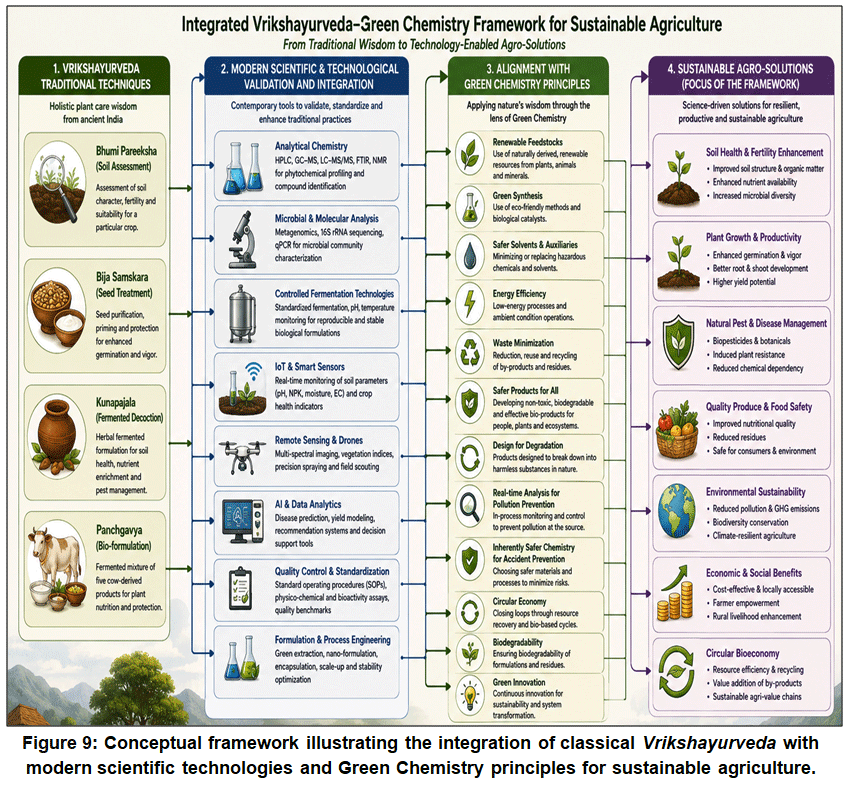 |
Figure 9: Conceptual framework illustrating the integration of classical Vrikshayurveda with modern scientific technologies and Green Chemistry principles for sustainable agriculture. |
Conclusion
The global Ayurvedic and organic medicinal plant sector continues to expand rapidly, at the rate of 20% annually, being driven by increasing consumer demand for natural and sustainable healthcare products. Yet this growth has also highlighted a persistent paradox: the increasing reliance on conventional agricultural inputs, including synthetic fertilizers and pesticides, within production systems intended to supply naturally derived medicinal products. Such practices raise important concerns regarding environmental sustainability, product quality, and the preservation of the phytochemical characteristics that underpin the therapeutic value of medicinal plants. This review examined five foundational cultivation practices described in Vrikshayurveda – Bhumi Pareeksha, Bija Samskara, Bija Lepana, Kunapajala, and Panchagavya, through the perspective of Green Chemistry and contemporary sustainable agriculture. Rather than viewing these practices as isolated traditional techniques, the review identifies them as components of an integrated cultivation framework emphasizing preventive management, ecological compatibility, efficient resource utilization, and reduced dependence on synthetic agricultural inputs. While the extent of modern scientific validation varies among individual practices, the available evidence suggests meaningful conceptual parallels with current approaches in soil science, seed technology, biological nutrient management, and sustainable crop production. The review further highlights opportunities to investigate these classical concepts using contemporary technologies, including precision agriculture, biodegradable biomaterials, controlled fermentation systems, and digital monitoring tools. Such interdisciplinary approaches may facilitate the scientific evaluation, standardization, and responsible adaptation of traditional agricultural knowledge within modern farming systems. At the same time, important challenges remain, including the need for preparation of standardized protocols, safety evaluation, regulatory acceptance and multi-location validation under diverse agro-climatic conditions. Future research should therefore focus on well-designed field trials, phytochemical validation, life-cycle assessment and economic feasibility analysis to better understand the practical applicability of these formulations and cultivation practices. Collaborative efforts involving agricultural scientists, microbiologists, chemists, Ayurvedic scholars, and regulatory agencies will be essential for translating promising traditional concepts into evidence-based agricultural innovations. Overall, this review proposes that Vrikshayurveda should not be regarded solely as a historical agricultural tradition, but as a valuable source of ecological concepts that merit systematic scientific investigation. By interpreting these practices through the framework of Green Chemistry, the review provides a contemporary perspective for evaluating how classical knowledge may contribute to the development of environmentally sustainable, scientifically informed, and quality-oriented medicinal plant cultivation systems.
Acknowledgement
I would like to express my sincere gratitude to the National Institute of Ayurveda for providing the institutional platform and classical texts that facilitated this research.
This review article draws upon extensive classical Ayurvedic literature, contemporary scientific publications, and documented case studies from agricultural and medicinal plant sectors. I acknowledge the contributions of all authors and researchers whose work has been cited in this manuscript and has informed this comprehensive analysis of vrikshayurveda‘s alignment with modern Green Chemistry principles.
I am grateful to the farming communities, particularly in Maharashtra, whose real-world implementation of these traditional techniques has provided valuable empirical validation for this study.
Finally, I acknowledge my commitment to bridging ancient agricultural wisdom with contemporary scientific understanding, undertaken independently in pursuit of sustainable and ecologically restorative agricultural practices.
Funding Sources
The author(s) received no financial support for the research, authorship, and/or publication of this article.
Conflict of Interest
The authors do not have any conflict of interest.
Data Availability Statement
The data supporting the findings of this study are available within the article.
Ethics Statement
This research did not involve human participants, animal subjects, or any material that requires ethical approval.
Informed Consent Statement
This study did not involve human participants, and therefore, informed consent was not required.
Clinical Trial Registration
This research does not involve any clinical trials.
Author Contributions
The sole author was responsible for the conceptualization, methodology, data collection, analysis, writing, and final approval of the manuscript.
References
- Towards Healthcare. Ayurveda market shaped by AI and natural wellness shift.[Internet]. Ottawa, Canada: Towards Healthcare; 2024.Accessed May 15, 2026. Available at: https://www.towardshealthcare.com/insights/ayurveda-market-sizing
- SkyQuest Technology Consulting. Ayurvedic nutraceuticals and dietary supplements market insights.[Internet]. 2024. Accessed May 15, 2026. Available at: https://www.skyquestt.com/report/ayurvedic-nutraceuticals-and-dietary-supplements-market
- Grand View Research. Ayurveda market size, share and growth: Industry report 2033.[Internet]. 2026. Accessed May 15, 2026. Available at: https://www.grandviewresearch.com/industry-analysis/ayurveda-market-report
- Ministry of Statistics and Programme Implementation. Press note on survey on AYUSH: July 2022 to June 2023. [Internet]. New Delhi, India: Ministry of Statistics and Programme Implementation;2024.Accessed May15, 2026. Available at: https://mospi.gov.in/sites/default/files/press_release/PressNote_Ayush_13062024N.pdf
- World Health Organization. WHO Global Report on Traditional, Complementary and Integrative Medicine 2024[Internet]. Geneva, Switzerland: World Health Organization; 2024. ISBN:978-92-4-011138-7. Accessed May 15, 2026. Available at:https://www.who.int/publications/i/item/9789240111387
- Selvi M, Paramasivam R. Ethnobotanical study of medicinal plants in Sanamavu Reserve Forest, Krishnagiri District, Tamil Nadu, India. World J Pharm Res.2017;6(3):567-578.
- World Health Organization. Global Traditional Medicine Strategy 2025–2034.[Internet]. Geneva, Switzerland: World Health Organization; 2025. Accessed May 15, 2026. Available at: https://www.who.int/publications/i/item/9789240113176
- Tripathy V, Saha S, Kumar J. Detection of multi-class pesticide residues in four major Indian medicinal herbs using a modified QuEChERS method and GC-MS. Springer Plus. 2015;4(1):569. doi: 10.1186/s40064-015-1358-1
- Yadav SS, Dhapte VV. Assessment of metal toxicity, pesticide and microbial contamination in polyherbal formulation Laksha Guggulu. Int J Chem Tech Res. 2018;11(9):322-328.
CrossRef - Reshi ZA, Ahmad W, Lukatkin AS, Javed SB. From Nature to Lab:A Review of Secondary Metabolite Biosynthetic Pathways, Environmental Influences, and In Vitro Approaches. Metabolites. 2023;13(8):895. doi: 10.3390/metabo13080895
CrossRef - Bhat S, et al. Pesticide pollution in India: Environmental and health risks, and policy challenges.Toxicol Rep. 2024; 12:101801.doi: 10.1016/j.toxrep.2024.101801
CrossRef - Anastas PT, Warner JC. Green chemistry: Theory and practice. Oxford, England: Oxford University Press; 1998.
- Surapala. Vrikshayurveda (The Science of Plant Life).Translated by Sadhale N. Agri-History Bulletin No. 1. Secunderabad, India: Asian Agri-History Foundation; 1996.
- Ramachandran CK. Vrikshayurveda (arboreal medicine in ancient India). Anc Sci Life. 1984;4(2):110-111.
- Varahamihira. Brihat Samhita. Translated by Bhat MR. Vol 1. Delhi, India: Motilal Banarsidass Publishers Pvt. Ltd.; 1981
- Yang L, Wen KS, Ruan X, Zhao YX, Wei F, Wang Q. Response of plant secondary metabolites to environmental factors. Molecules. 2018;23(4):762. doi:10.3390/molecules23040762
CrossRef - Sharma A, Upadhyay BM, Kaushal K. Bhumi Pareeksha (analysis of soil) at CharakUpvan (Amberi, Udaipur) with special refrence to cultivation of medicinal plants. Int J Res Anal Rev Eng Technol. 2020;8(12). doi:10.22214/ijraset.2020.32586
CrossRef - Aralelimath GT, et al. An experimental study of Vrikshayurveda seed treatments on germination rate and active ingredient of Bakuchi (Psoraleacorylifolia Linn.) by HPLC method. Int J Ayurveda Pharma Res. 2019;7(6):1-10. Available at: https://ijapr.in
- Khurana D, Sharma M. A review on seed treatments mentioned in Vrikshayurveda. Int Res J Ayurveda Yoga. 2023;6(7):101-107. Available at: https://irjay.com/index.php/irjay/article/download/107/101
- Nautiyal CS, Srivastava S, Mishra S et al. Reduced cell wall degradation plays a role in cow dung-mediated management of wilt complex disease of chickpea. Biol Fertil Soils. 2013;49(7):881–891. doi: 10.1007/s00374-013-0782-x
CrossRef - Rott P, Bailey RA, Comstock JC, Croft BJ,Saumtally AS, eds. A guide to sugarcane diseases. Montpellier, France: CIRAD-ISSCT Publications; 2000.
CrossRef - Yupanqui Mieles J, Vyas C, Aslan E, Humphreys GJ, Diver C, Bartolo P. Honey: An advanced antimicrobial and wound healing biomaterial for tissue engineering applications. Pharmaceutics. 2022;14(8):1663. doi: 10.3390/pharmaceutics14081663
CrossRef - Jalalvand AR, Zhaleh M, Goorani S, et al. Chemical characterization and antioxidant, cytotoxic, antibacterial, and antifungal properties of ethanolic extract of Allium saralicum R.M. Fritsch leaves rich in linolenic acid, methyl ester. J PhotochemPhotobiol B. 2019; 192:103-112. doi: 10.1016/j.jphotobiol.2019.01.017
CrossRef - Behera SS, Ray RC. Bioprospecting of cowdung microflora for sustainable agricultural, biotechnological and environmental applications.Curr Res Microb Sci. 2012; 2:100018.doi: 10.1016/j.crmicr.2020.100018
CrossRef - Poojari R. Embelin-a drug of antiquity: shifting the paradigm towards modern medicine. Expert Opin Investig Drugs.2014;23(3):427-444. doi:10.1517/13543784.2014.867016
- Raghu AV, Deepa K, Daisy NJ, Pillai PKC. Effect of pre-germination treatments and storage conditions on germination of Embelia ribes Burm. f. (Bidanga) with special reference to Vrikshayurveda. J Tradit Folk Pract. 2016;2(3-4):160-163. doi:10.25173/jtfp.54
- Sohail M, Pirzada T, Opperman CH, Khan SA. Recent advances in seed coating technologies: transitioning toward sustainable agriculture. GreenChem. 2022;24(16):6052-6085. doi:10.1039/D2GC02389J
- Rouphael Y, Colla G. Toward a sustainable agriculture through plant biostimulants: from experimental data to practical applications. Agronomy. 2020;10(10):1461. doi:10.3390/agronomy10101461
- Campos EVR, de Oliveira JL, Fraceto LF, Singh B. Polysaccharides as safer release systems for agrochemicals. Agron Sustain Dev. 2015;35(1):47-66. doi:10.1007/s13593-014-0263-0
- MukherjeeA, Sarkar A, Dhal PK, Bhatt MD.Revisiting the oldest manure of India, Kunapajala: Assessment ofits animal waste recycling potential as a source of plantbiostimulant. Front Sustain Food Syst. 2023; 6:1073010. doi: 10.3389/fsufs.2022.1073010
CrossRef - Isman MB. Botanical insecticides in the twenty-first century-fulfilling their promise? Annu Rev Entomol. 2020; 65:233-249. doi:10.1146/annurev-ento-011019-025010
- Osibe D A, Hojo Y, Shinya T, Mitani-Ueno N, Galis I., Comprehensive analysis of silicon impact on defense and metabolic responses in rice exposed to herbivory stress. Front Plant Sci. 2024; 15:1399562. doi: 10.3389/fpls.2024.1399562
CrossRef - Santos I, Silva M, Grácio M, Pedroso L, Lima A. Milk antiviral proteins and derived peptides against zoonoses.Int J Mol Sci. 2024; 25(3):1842. doi: 10.3390/ijms25031842
CrossRef - Aralelimath GT, et al. A comparative analytical study of Brahmi (Bacopamonnieri Linn.) cultivated by Vrikshayurveda and conventional method with special reference to yield and active constituents. J Emerg Techno lInnov Res. 2026;13(3):G12-G23. Paper ID: JETIR2603603.
- Ministry of Health and Family Welfare. The Ayurvedic formulary of India. Part I. 2nd English ed. New Delhi, India: Controller of Publications; 2003. Section 6:25.
- Sengupta A, Chaudhuri P, Das K. Characterization of nitrogen-fixing and phosphate-solubilizing bacteria from cow dung and their agricultural applications. J Soil Sci Plant Nutr. 2022;22(2):2187-2201. doi: 10.1007/s42729-022-00797-x
- Patel HR, Kumar A, Verma S. Antimicrobial and nitrification-promoting properties of cow urine in integrated crop management systems. Appl Soil Ecol. 2022; 168:104154.doi: 10.1016/j.apsoil.2021.104154
CrossRef - Kaur R, Singh J, Sethi SK. Cow urine: An organic growth promoter and biofertilizer for sustainable agriculture. Bioresour Technol Rep. 2021; 15:100753.doi: 10.1016/j.biteb.2021.100753
CrossRef - Patel KR, Singh M, VermaS. Lactobacillus-derived lactic acid as a biocontrol agent against soil-borne fungal pathogens: Mechanism and agricultural application. Appl Soil Ecol. 2024; 196:105279.doi: 10.1016/j.apsoil.2024.105279
CrossRef - Sharma A, Patel R,Kumar V. Ghee (clarified butter): Composition, bioactive compounds, and functional properties for agricultural and nutraceutical applications. Food Chemistry. 2024; 445:138712. doi: 10.1016/j.foodchem.2024.138712
CrossRef - Suchith Kumar C,Singh G. Effect of Panchagavyaon Growth and Yield: A Review. Int JCurrMicrobiolAppl Sci. 2020;9(12).
- Vimal A, Singh R. Drought stress alleviation through nutrient management in organic farming: The role of Panchagavya.J King Saud Univ Sci. 2023;35(7):102842.doi: 10.1016/j.jksus.2023.102842
CrossRef - Sutar AP, Patil JB, Shinde RH, Shende SM, Ban YG. Response of soybean (Glycine max L. Merrill) to foliar applications of different liquid formulations on yield attributing characters, yield and economics. Int J Res Agron. 2024;7(5):524-527. doi: 10.33545/2618060X.2024.v7.i5g.727
CrossRef - Onte S, Fiskey VV, Dadhich DK, et al. Effect of integrated organic nutrient management on growth, yield, and soil fertility under a maize-berseem-cowpea cropping system. Front Sustain Food Syst. 2025; 9:1678536. doi:10.3389/fsufs.2025.1678536
CrossRef - Somasundaram E, Mohamed Amanullah M, Vaiyapuri K, Thirukkumaran K, Sathyamoorthi K. Influence of organic sources of nutrients on the yield and economics of crops under maize based cropping system. J Appl Sci Res. 2007;3(12):1774-1777.
- Rananavare LB, Chitnis S. Technology from traditional knowledge-Vrikshayurveda-based expert system for diagnosis and management of plant diseases. J Ayurveda Integr Med. 2024;15(1):100853. doi: 10.1016/j.jaim.2023.100853
CrossRef