


 PDF Downloads:
262
PDF Downloads:
262


Introduction
Tea (Camellia sinensis L), considered as one of the most prevalent non-alcoholic drinks with mild stimulant, restorative, and medicinal properties, is consumed by more than two-thirds of the global population.1 The cultivation of tea has a strong cultural, economic, and ecological impact in the northeast region of India, notably the state of Assam and the northern parts of West Bengal. The two regions combined produce about 80% of India’s total tea production with Assam alone contributing almost half of the country’s output and 17 percent of the world’s tea production.2 The agro-climatic conditions of these regions with abundant rainfall, high humidity, rich alluvial and loamy soils, and mildly hilly terrains have historically favoured for high quality tea cultivation.3,4 Over the past few years, these regions have faced the consequences of climate change very badly, especially in the form of irregular monsoons, extended dry periods, and abnormal intervals of temperature fluctuation.5 The climatic patterns of the north-east India (NEI) have changed significantly in the recent time. According to Roy et al. (2020) 6, there has been a distinct decrease in rainfall of almost 200 mm alongside a rise in mean temperatures of around 1.3°C in the last 93 years. Over the last three decades, NEI, particularly the tea-growing districts of Assam and North Bengal, has seen a significant increase in extreme heat events over the last 30 years, with increase in no of days exceeding 35 °C on average.6,7 Studies on tea physiology suggest that new leaf production in tea bushes significantly declines when ambient temperatures exceed 35 °C, primarily due to increased physiological stress and disruption of photosynthetic process.8 There is still a good amount of precipitation happening every year, but the erratic distribution of rainfall in time and space, combined with the increasing length of dry periods during the active cropping season, has reduced the soil moisture available to plants, as well as the groundwater recharge process.9 In light of this climate variability, it has become imperative to implement resilient and sustainable practices in these tea growing regions particularly in the segment of water management in tea plantations.
In this context, implementation of strategic groundwater recharge has emerged as an important way-out for the long-term endurance and sustainability of the tea garden.10,11It is the process of recharging aquifers by artificial or natural percolation and it has become a particularly promising strategy in the changing climate situation.12 In NEI, where heavy precipitation on steep slopes triggers significant surface runoff and minimal infiltration, increasing groundwater recharge would be a great solution there.13,14 It will have two major advantages: one is stabilizing soil moisture regimes in the root zone of tea bushes and the other is, re-filling aquifers to sustain additional irrigation during dry spells. This accelerated flow of water during heavy rainfall in sloppy areas also causes severe soil erosion, depletes nutrient-rich topsoil and reduces the water-holding capacity of soil.15,16 Artificial recharge structures like percolation ponds, recharge pits or shafts, check dams, injection wells, contour trenches, and subsurface barriers can efficiently capture and use this excess runoff water, significantly boosting groundwater reserves.17,18 Through adopting these structures, the microclimate inside tea plantations will be stabilized, the bushes will have better access to nutrients, the soil will remain healthy overall, and aquifers will be refilled to support more irrigation during dry spells19 Integrating groundwater recharge methodologies into tea garden management practices further improves ecological resilience since it reduces chemical leaching with surface runoff, mitigates downstream flooding, and supports biodiversity in surrounding ecosystems.20, 21
Considering the continuous vagaries of weather patterns in the North Eastern tea-growing belts of India, recharge of groundwater could emerge as a key for ensuring sustainability of productivity and ecology of the tea gardens in the long run. Recharge interventions vary from traditional, community-based techniques to modern, technology-driven approaches, with each having different cost-effectiveness, scalability, maintenance requirements, and compatibility with local hydrogeological conditions. While some techniques of recharge have been designed to be inexpensive, others are more costly initially but offer long-term cost savings and operating stability. This literature review specifically explores the technical aspects of groundwater recharge in tea garden ecosystems and analyzes it’s significance in light of climate vulnerabilityand outlines the direction for future adoption, research priorities, and policy interventions.
Climate Change and Water Stress in Tea Cultivation
Tea is one of the most sensitive crops that depend largely on temperature and rainfall pattern changes. The crop requires adequate soil moisture throughout the year, high and well-distributed rainfall, and moderate temperatures.22 Significant changes of climate in the NEI and the northern part of Bengal’s climate over the past few decades have created emerging challenges for the tea industry.7 This section of our paper presents the climatic trends observed in this region, their implications on tea ecosystem and consequently the over-exploitation of groundwater reserves.
Climatic Trends in North East India
North-East India, a major tea-growing region, has experienced distinct adverse climate trends in recent decades. The region, which encompasses Assam and northern West Bengal (particularly the Dooars and Terai regions), traditionally had a humid subtropical climate with evenly distributed rainfall,23,24 which is necessary for good growth of tea. However, recent climatic observations and studies have revealed significant variations from the historical patterns, potentially having grave consequences for the tea industry. Multiple variations in weather parameters have been observed and reported.
Temperature Rise
Global temperatures have been steadily rising over the past few years. Between 2011 and 2020, the average surface temperature raised by approximately 1.1°C compared to 1850–1900 pre-industrial era average.25 This warming is unprecedented, and can be attributed largely due to greenhouse gases released through human activities. Climate models indicate that if current policies and emission levels continue, the world would warm by more than 1.5°C between 2030 and 2052.26Also, without significant action to cut emissions and fully global participation especially the developed countries, temperatures would increase by 2.4°C to 3.5°C by the end of the century.27Similar to this worldwide trend, mean annual temperatures in NEI have been gradually increasing.
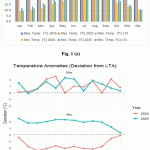 |
Figure 1: (a) & (b): Variation and Anomalies in Temperature recorded at North BengalClick here to view Figure |
According to regional climate studies and data from the India Meteorological Department (IMD), mean annual temperatures have risen by 0.01 to 0.03 °C per year over the last 50 years, or approximately 1.3 °C since the 1930s.6,28 More interestingly, Assam and northern West Bengal have observed a rise in the number of extreme heat days (>35 °C), with tea-growing districts reporting several extra hot days per year in contrast to the 1990s.7 For an instance, if we observe Fig. 1 (a) & (b), collectedfrom an IMD-certified station of the North Bengal Regional Research and Development Centre (NBRRDC), Tea Research Association (TRA), Nagrakata, located in northern part of West Bengal, we can observe how the previous two years (2023, 2024) maximum and minimum temperature have shown variation with the long-term average (LTA) of the last 20 years in that particular region. Both maximum and minimum temperatures have shown predominantly positive deviations from the long-term average, which indicates a general warming tendency in this region.
Rainfall Variability
Rainfall trends in North-East India reveal a more complex scenario. Although the total annual rainfall has not shown a significant decline, its distribution has become increasingly erratic, which is a major concern for tea cultivation. According to recent reports of IMD, monsoonal rainfall has been declining in portions of the north east India (NEI), with an increase in the frequency of dry spells and heavy rainfall events.29 A long-term climatic analysis by Halder & Yaseen (2024)30 revealed significant regional variations in rainfall patterns across NEI. The study found a declining trend in monsoon rainfall over Assam and Meghalaya, whereas Arunachal Pradesh and Nagaland exhibited increasing trends in pre-monsoon rainfall, suggesting a temporal shift in rainfall concentration across the region. The monsoon’s arrival has become more unpredictable in the high-rainfall areas of Barak Valley and Upper Assam, and the duration and frequency of dry spells during important agricultural practises, especially April–June and August, have increased. Long dry periods between erratic monsoon seasons cause acute water stress during important crop growth stages, lowering the potential green leaf harvest of tea.31,32Such shifts in monsoon arrival and departure disrupt the synchronization between rainfall availability and critical tea growth phases. According to Goswami et al. (2006),33 in NEI, extreme rainfall occurrences have significantly increased although the frequency of wet days has gone down. As a result, precipitation is concentrated in fewer and more intense storms. This pattern causes flash floods, erosion, and huge surface runoff during monsoons, followed by extended dry spells that resembles droughts. Climate variability, when combined with the steep landscape of tea growing hills in NEI regions, intensifies the risk.Intense downpours enhance surface runoff on steep slopes, limiting infiltration opportunities.34 This not only hinders natural groundwater recharge, but also increases soil erosion and landslides, destroying tea landscapes. From 2, we can observe the anomalies observed in rainfall pattern in this region.
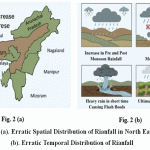 |
Figure 2: (a). Erratic Spatial Distribution of Rianfall in North East India (b). Erratic Temporal Distribution of RianfallClick here to view Figure |
Implications on Tea Ecosystem
The tea ecosystem, which includes tea bushes, soil, shade trees, and the surrounding microclimate, is extremely sensitive to temperature, rainfall, and soil moisture availability.22 High air temperature particularly during night time, interfere with the metabolism of carbohydrates in plant body by increasing respiratory losses and decreasing the amount of assimilates stored in leaves.35 Increased daytime temperatures (>35 °C) accelerate leaf senescence, reduce chlorophyll stability, and impair stomatal regulation, leading to reduced photosynthetic efficiency in tea.36,37 Simultaneously, during prolonged dry spells, moisture deficits reduce turgor pressure which results in stomatal closure and decreased transpiration efficiency. This event directly inhibits shoot growth and increases plucking intervals for tea.38 Soil moisture depletion affects the microbial activities within the rhizosphere area, resulting in reduced nitrogen and potassium availability and nutrient mineralization,39 which are vital for the growth and quality of tea.40On the other hand, concentrated and high intensity rainfall in a short period, and subsequent waterlogging, reduces the oxygen availablity in the root zone, which impedes respiration and nutrient acquisition, exposing the plants to secondary pest and disease problems, especially root rot.41,42 Furthermore, physiological stress brought on by combined heat and moisture anomalies impairs secondary metabolism, modulates the synthesis of polyphenols and catechins and thereby ultimately degrades the biochemical quality of tea.43 Beyond the crop physiology, changes in weather patterns impact ecosystem services such soil carbon storage, groundwater recharge, and pest-predator dynamics also. Smallholder tea growers, with inadequate irrigation facility and soil conservation infrastructure, suffer exaggerated vulnerability, can face huge yield loss during drought years.When taken as a whole, all these implications show that tea ecosystems are vulnerable to changing climate and it requires to adopt suitable water management strategy to maintain sustainability and consistent productivity in future.
Over-exploitation of Groundwater Reserves
As consequences of climate change, higher temperatures is increasing potential evapotranspiration whereas precipitation is becoming more variable and often more extreme, resulting in intense floods and longer droughts. Under these conditions, surface water sources fluctuate or shrink, which leads farmers and communities to rely more heavily on groundwater to meet irrigation, drinking, and other demands.44 In India, for example, studies indicate that global warming has already prompted farmers to increase groundwater extraction to offset moisture stress in farming and exacerbate aquifer depletion. When higher withdrawals due to warming are taken into account, projections suggest that net groundwater loss rates for the year 2041 to 2080 might be three times of the current depletion rates, even after accounting expected increases in precipitation and potential decreases in irrigation use as groundwater tables decline.45 In tea growing regions of NEI, where the plant relies on steady near-surface moisture during critical flush periods, too much extraction of groundwater creates the reduction in phreatic surface which ultimately induces moisture stress in plants.46Regional groundwater assessments in Assam and adjacent tea-growing belts have revealed higher concentrations of iron, manganese, arsenic, fluoride and other contaminants in shallow wells, a condition that can be attributed to excessive groundwater extraction, which lowers the water table. Over-extraction frequently involves relying on shallow aquifers, which have higher concentrations of dissolved metals like iron and manganese due to underlying geogenic processes and prevailing redox conditions.47 Thus, losses of groundwater reserves and it’s consequences are not only limited to tea economy, it may have a significant impact on socio-economic aspects also. In such scenario, integrating managed aquifer recharge, rainwater harvesting, percolation structures, and nature-based groundwater recharge approaches within tea garden catchments can provide pragmatic pathways to restore groundwater storage, enhance baseflow, and dilute contaminants.Such adaptive measures to climate change can buffer weather anomalies, reduce energy requirements for pumping, and ensure sustained tea productivity alongside improved livelihood water security for the local communities.48
Groundwater Recharge: Principles and Potential in Tea Agro-Ecosystem
Groundwater recharge is becoming more and more acknowledged as a crucial factor in improving the climate resilience of tea-producing ecosystems, especially in the context of erratic rainfall, prolonged dry spells, and declining water tables in hilly regions. This section of our paper discusses on conceptual framework, situational relevance, and the multi-dimensional advantages of the introduction of groundwater recharge in tea gardens.
Concept and Significance of Groundwater Recharge
Groundwater, which accounts for approximately one-third world’s freshwater reserves, plays a pivotal role in sustaining irrigated agriculture and thereby global food security.49 The schematic diagram present in Fig. 3 shows the natural hydrological processes contributing to groundwater recharge. Precipitation first interacts with vegetation through interception, after which a portion infiltrates the soil surface. Water then percolates deeper into the ground, replenishing the groundwater table and contributing to lateral groundwater flow. Surface runoff, throughflow, and seepage also direct water toward nearby rivers, but efficient recharge mostly relies on maximizing infiltration and percolation.
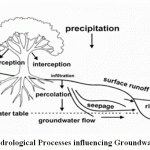 |
Figure 3: Hydrological Processes influencing Groundwater rechargeClick here to view Figure |
However, alarming rates of groundwater depletion have been observed in recent past across both semi-arid and humid regions, including the major food-producing regions in India, China, and the United States.50 The major driver of this depletion is unsustainable extraction for irrigation, especially in areas where natural recharge is slower or limited. In such scenario, climate change is making this issue worse by altering precipitation patterns, intensifying droughts, and increasing evapotranspiration, which lowers recharge rates and increases water demand.51 In such a situation, both natural and artificial groundwater recharge are very essential for restoring aquifer equilibrium. It involves the infiltration of surface water into subsurface zones for the purpose to replenish groundwater storage.52 Natural recharge of groundwater occurs through rainfall, infiltration from rivers and streams, vegetation and by water filtering through wetlands and lakes as shown in Fig. 4.12 Soil texture, vegetation coverage, slope of the terrain, climate, and land usage all have a profound impact on the groundwater recharging process. In tea-growing regions with sloppy terrains, rapid surface runoff causes the immediate loss of a significant amount of rainwater, drastically minimising its entry into the soil.53 To compensate for this loss, the use of in-situ artificial recharge structures has turned out to be an efficient way of increasing infiltration and consequently maintaining groundwater reserves. Artificial groundwater recharge can be accomplished effectively using interventions such as recharge pits, trenches, shafts, percolation tanks, check dams, contour trenches and injection wells, which not only slow down the speed of surface water but also facilitate percolation into deeper soil layers, as shown in Fig. 4.17,54 These recharge techniques are especially useful in places with falling groundwater levels due to excessive extraction or erratic rainfall patterns.
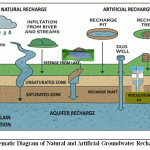 |
Figure 4: Schematic Diagram of Natural and Artificial Groundwater Recharge PathwaysClick here to view Figure |
Coming to the significance, it is necessary to note that groundwater recharge is not only a hydrological process but also a climate adaptation strategy, an investment in natural capital, and a sustainability requirement for agriculture and water security. Strengthening recharge potential, particularly via nature-based solutions and community participation, is vital for restoring aquifer balance, promoting agricultural resilience, and thereby attaining important Sustainable Development Goals (SDG 6: Clean Water and Sanitation and SDG 13: Climate Action).55 For high water-demanding crop like tea, which requires very well-distributed annual rainfall of 2000-4000 mm and frequent irrigation during dry periods, groundwater serves as a vital reserve during unseasonal rainfall or prolonged droughts.56 In tea-growing regions like the Terai-Dooars, Darjeeling, Assam and South India, climate change has negatively impacted monsoon reliability, prompting communities there to rely more and more on groundwater extraction to meet their water needs. However, taking out more water than the replenishable amount from the groundwater sources results in the lowering of water tables, aquifer stress, and the worsening of the soil condition, which thus directly endangers the capacity of the ecosystem services to continue providing their functions and agricultural productivity in the long run.57 For tea ecosystems, groundwater recharge strategies can definitely help to get consistent leaf flush, save at least one or two round irrigation cost, and also solve the problem of yield and quality decline that happened due to moisture stress. Nature-based recharge methods, when combined with landscape-level interventions like reforestation, mulching, and agroforestry, can at the same time solve the problems of water infiltration, carbon sequestration, and land restoration.58 Thus groundwater recharge plays a multi-functional role, not only as an input for irrigation but also as a resilience-building mechanism to climate-induced hydrological extremes.
Relevance to sloppy tea-growing terrains
Tea is primarily grown in hilly regions that receive high rainfall, such as the Eastern Himalaya (Darjeeling, Assam, Terai-Dooars), Munnar and Nilgiri Hills of South India. These landscapes are distinguished by steep slopes, shallow acidic soils, and heavy monsoon.59 Although this type of habitat is ideal for lush tea flushing, it is also prone to rapid surface runoff and poor water retention, which diminishes chances of groundwater recharge and hydrological balance of the ecosystem.The importance of groundwater recharge becomes even more crucial in these types of terrains because water quickly escapes downhill without enough infiltration. Significant soil erosion and nutrient loss occur in hilly areas due to accelerated overland flow caused by topographical gradients and intense rainfall. A field study comparing natural forest slopes with adjacent tea plantation slopes in Southwest China found that 22.2 ± 0.4% of annual rainfall became surface runoff in the tea system—more than double the 10.0 ± 0.43% runoff in the forest system due to compacted, coarse soils and reduced infiltration under tea cultivation.60 In consequence of inadequate infiltration, compaction of topsoil from heavy rainfall, and continuous foot and vehicle traffic in plantations, upto 60% of rainfall in these areas can end up as surface runoff. In addition to making water scarcer during dry spells, this situation also destabilises the slopes by increasing water pressure and speeding up soil erosion, two of the main causes of landslides in this area.61 According to the Tea Research Institute, Tocklai Campus study, the ideal water table depth for the cultivation of tea is 90–135 cm below the ground surface. While steering clear of waterlogging, which can have a detrimental effect on the health and yield of tea bushes, this range permits sufficient soil moisture to the plant.Catchment planning is essential for enhancing soil and water management practices in a tea estate. This requires a detailed land survey to identify all major and minor topographical features of the area.62
Groundwater recharge interventions can decrease the kinetic energy of the flowing water, which in turn minimizes rill and gully formation, which is another important cause of slope weakening.63 For instance, contour-aligned percolation pits not only let water seep underground, but they also act as small barriers that slow down surface flow and lower the force of erosion. Reports show that in tea estates where these kinds of changes have been made, spring flow is more consistent and small landslides and washouts happen less often17, 20. Furthermore, the movement of machinery and foot traffic along plucking paths often leads to in compacted soil on tea gardens.64 As a result, overland flow velocity rises and infiltration decreases.Decompaction treatments and vegetative recharge methods, such as planting vetiver grass strips or keeping pruned litter mulch, can both help water soak into the ground faster and make slopes more stable.65When these bioengineering solutions are combined with recharge infrastructure, they make a landscape that can do more than just hold water. It can also stand up to stress from the weather.
In a nutshell, the relevance of groundwater recharge in high-runoff tea-growing terrains lies not just in water conservation but in ensuring the stability of sloppy lands, preventing landslides, and maintaining long-term plantation viability. It is a comprehensive approach that connects landscape resilience and water security, two crucial pillars of sustaining tea cultivation in an era of climate change.
Ecosystem and Functional Benefits of Groundwater Recharge
Groundwater recharge interventions provide a multi-scale ecosystem and functional benefits. The following table 1 outlines key advantages particularly relevant to tea-growing landscapes.
Table 1: Various Beneficial Aspects of Groundwater Recharge Interventions in Tea Cultivation
| Benefit Area | Key Outcomes | Relevance to Tea Ecosytem | Reference |
| Water Sustainability | Replenishment of aquifers and maintenance of water table | Provides dependable irrigation source during dry spells; reduces stress on surface reservoirs | Hund et al. (2018) 66 |
| Soil moisture & Soil health | Enhanced soil moisture, microbial activity, and root zone development | Supports tea root rhizosphere growth, boosts soil microbial activity, and enhances nutrient cycling | Chen & Hu (2004) 67; Brockett et al. (2012) 68 |
| Runoff & Erosion Control | Reduction of high-velocity surface flow and slope degradation | Reduces topsoil erosion in sloping plantations; improves water infiltration capacity | Gale et al. (2002) 17; Kadam et al. (2021) 69 |
| Nutrient Use Efficiency | Minimization of nutrient leaching from fertilizers | Increases nutrient uptake efficiency, prevents nutrient wash-off, reduces risk of groundwater contamination | Acharya et al. (2007) 70; Shrestha et al. (2010) 71 |
| Microclimate Regulation | Increased soil water availability and green cover | Supports stable humidity and cooler microclimates around tea bushes | Rohde et al. (2024) 72 |
Groundwater Recharge Techniques for Tea Ecosystem
To address the growing scarcity of water and aquifer depletion in tea-growing ecosystem, particularly in steep areas with high surface runoff, scientifically designed groundwater recharge technologies need to be implemented. Groundwater recharge strategies not only restore aquifers, but also improve soil moisture retention, manage base flow to streams, and strengthen tea ecosystem resilience to climate change. These recharge interventions are broadly classified into two categories: direct (surface and sub-surface) and indirect. Each of these categories is suitable for a specific topographical and hydrogeological circumstance.
Direct Recharge Methods
These techniques allow surface runoff or rainwater to infiltrate naturally into the ground. They are particularly effective in gently sloping areas of tea gardens with moderately permeable sandy-loam soils.
Surface Recharge Techniques
This method of groundwater recharge is very simple and most widely used. Surface recharge techniques facilitate the infiltration of water from the land surface into shallow, unconfined aquifers, particularly in areas without overlying impervious layers. These methods are most effective in large basin areas where the topsoil has medium to high permeability.73 The efficiency of recharge depends on the infiltration rate, which is influenced by soil texture, compaction, and the quality of recharge water. Various interventions practised under surface recharge models are as follows:
Flooding or Water Spreading:
This is a common and easy method of groundwater recharge, particular for flat topography. For tea plantations, water spreading techniques provide a practical groundwater recharge solution, especially in estates with large, underutilised areas and relatively flat topography.74 This method involves constructing earthen embankments or bunds around selected flat areas, allowing rainwater or excess runoff to spread and stagnate in a thin sheet, enhancing vertical infiltration as shown in Fig. 5.75 Such an approach is especially effective in alluvial regions where soil permeability supports downward movement of water. With consistent application, improvements in well yield and a rise in water table levels can be observed.
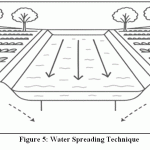 |
Figure 5: Water Spreading TechniqueClick here to view Figure |
Percolation Tank or Basin
Percolation tanks are earthen structures constructed across natural depressions or drainage lines to intercept surface runoff and allow it to percolate slowly (Fig. 6). Earthen structures called percolation tanks are built over drainage lines or natural depressions to catch surface runoff and let it slowly seep through.76 It works in areas well in areas with hard rock formations thus suitable for tea gardens of NEI areas also. In tea gardens situated on hills or in gently sloping terrain with a moderate permeability, these designs are very effective. They serve two functions: storing surface water for future irrigation and replenishing groundwater. The size and design of the structure are determined by the tank bed’s percolation capacity, which also affects its efficiency. Percolation tanks are scalable for use at the estate and community levels, usually covering catchment areas of 250–400 hectares for small tanks and up to 800 hectares for larger ones.77
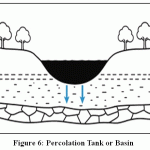 |
Figure 6: Percolation Tank or BasinClick here to view Figure |
Check Dams and Nala Bunds
Check dams and nala bunds are low-cost, semi-permanent hydraulic structures constructed over small seasonal streams (nalas) to reduce surface runoff, increase infiltration, and to prevent soil erosion. In tea-growing undulating and high-rainfall areas of NEI, the rapid surface runoff leads to significant water and topsoil loss. Check dams can play a crucial role in intercepting this flow, promoting groundwater recharge, and maintaining stream baseflow during dry periods.78 Nala bunds, typically earthen embankments with gentle slopes, supplement this function by distributing water laterally, allowing it to slowly percolate into the subsurface.79 By establishing a series of staggered check dams along the drainage lines, runoff is temporarily detained and allowed to infiltrate, enhancing subsoil moisture critical for tea bushes root development during dry spells.
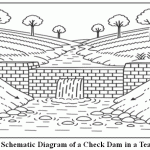 |
Figure 7: Schematic Diagram of a Check Dam in a Tea GardenClick here to view Figure |
Ditch and Furrow Methods
The Ditch and Furrow technique uses shallow, closely spaced channels, mostly near canals, rivers, or streams, to increase the infiltration surface area and improve groundwater recharge. It is less likely to siltation and is more economical.17 However, because of the steep terrain, deeply rooted plants, and intensive land use patterns that make it difficult to align and maintain furrows, its use in tea gardens is limited.
Sub-surface Recharge Techniques
Subsurface groundwater recharge is the process of allowing water to move directly into aquifers or deeper soil layers, bypassing the topsoil layer. This approach is particularly helpful in areas with compact surface soils, limited penetration rates, or substantial evaporation losses from surface structures. Furthermore, subsurface approaches allow for controlled recharging, minimal land use, and the suitability for urban or plantation surroundings, including tea gardens. Different techniques aligned to this strategy are-
Recharge Pit or Trenches
Recharge pits are small, excavated, and often cylindrical or rectangular structures designed to collect rainwater or surface runoff and allow it to infiltrate directly into the ground. These are particularly suitable for areas where space is limited, such as in tea estates between rows or near field drains, and where the top soil layer is moderately permeable.80 Their small size enables targeted recharge without interfering with the layout of the plantation. During dry spells, these pits support root-zone hydration by reducing surface runoff and encouraging localised moisture retention. However, they require regular maintenance to prevent clogging from silt and organic debris. Properly managed, recharge pits significantly contribute to sustaining groundwater levels in tea gardens.81,82 As shown in Fig. 7 from the Tea Research Association (TRA), Nagrakata research plots, these pits effectively capture and store runoff during heavy rainfall, promoting groundwater recharge through underlying permeable layers such as riverbed materials.
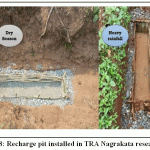 |
Figure 8: Recharge pit installed in TRA Nagrakata research plotClick here to view Figure |
Recharge Shafts
Recharge shafts are vertical structures drilled into the ground to deliver runoff or treated water directly into deeper aquifers, especially in areas with clayey or low-permeability top-soil. This involves digging a shaft or borehole that penetrates the impermeable layer and extends into the more permeable strata below. Generally ranging from 1 to 2 meters in diameter and 10 to 30 meters deep, these shafts are filled with graded gravel and filter media to prevent clogging.80 Water enters the shaft, percolates through the filter bed, and then reaches the aquifer from drains, ponds, or percolation tanks.83
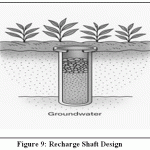 |
Figure 9: Recharge Shaft DesignClick here to view Figure |
Injection Well
Injection wells are specially constructed boreholes that directly inject treated surface water, rainwater, or stormwater into aquifers under pressure or gravity. It is operational in certain hydrogeological setting for groundwater recharge where the aquifers do not get the natural recharge because of the confining layers of low permeability.84 It is made with the purpose of augmenting the ground water storage of a confined aquifer by pumping-in treated surface water under pressure.Water available for groundwater recharging is to be fairly treated for elimination of suspended material, chemical stabilization and bacterial manipulation. Injection wells are also beneficial in saline aquifer regions to create freshwater buffers and prevent seawater intrusion. Periodic backwashing ensures long-term efficiency.85
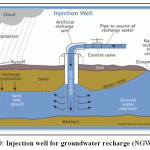 |
Figuer 10: Injection well for groundwater recharge (NGWA, 2007)Click here to view Figure |
Dug Well or Open Well
Existing open wells, which are frequently seasonal or abandoned, can be transformed into recharge structures by redirecting runoff or rooftop rainwater through silt traps and filter chambers. The water then replenishes shallow aquifers by seeping through the base and walls of the well. Particularly in rural or plantation environments, dug well recharge is economical and makes use of existing infrastructure. This method is particularly useful in tea estates with historically constructed irrigation wells. Care must be taken to clean and disinfect the wells regularly to prevent contamination and siltation.86
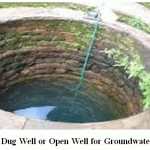 |
Figure 11: Dug Well or Open Well for Groundwater RechargeClick here to view Figure |
Indirect Recharge Methods
Indirect recharge techniques enhance the natural replenishment of aquifers without directly introducing water into recharge structures. Instead of that, these methods rely on hydrological manipulation, either by altering surface water dynamics or modifying aquifer properties to stimulate subsurface water movement into aquifers.54 Such methods work best in hard rock regions, river basins, and alluvial plains where direct techniques are hampered by logistical constraints or impermeable surface layers. Two most popular indirect recharge methods of groundwater recharge are-
Induced Recharge from Surface Water Bodies
Induced recharge is a hydrogeological process in which groundwater extraction near a surface water body, such as a river, stream, canal, or lake, generates a hydraulic gradient that draws water laterally from the surface source into the underlying aquifer. This method effectively lowers the local groundwater table and facilitates lateral seepage by continuously pumping water from wells or infiltration chambers near the water body.The rate and efficiency of recharge depend on factors like the permeability of the riverbed, hydraulic conductivity of the aquifer, and distance from the source. Since the percolated water frequently goes through natural filtration, induced recharge is frequently used in riverbank filtration systems to enhance groundwater availability and quality.87 Without requiring extensive surface infrastructure, this technique improves water security and works particularly well in regions with seasonal rivers or during dry seasons.
Aquifer Modification Techniques
Aquifer modification techniques are structural interventions aimed at enhancing the storage and transmission capacity of natural aquifers, particularly in hard rock or low-permeability formations. Few examples are:
Aquifer Storage and Recovery, the process where excess surface or treated wastewater is injected into aquifers during rainy seasons and withdrawing it during dry period.88
Fracture clearing and sand packing, the process which is used in hard rock regions to open up fissures and fill them with permeable material to improve infiltration.89
Case Studies and Successful Models
Groundwater recharge has emerged as a vital strategy to combat climate change and induced water stress globally. Several recharge interventions have been widely implemented in countries like India, Ethipoia, South Africa, Australia, USA and other countries. The success of these modesls depend upon various factors like geological suitability, community participation, quality of recharge water, and institutional support. In this section, we will showcase diverse approaches, from traditional community-led approaches to developed engineered techniques, their outcomes along with the literature references.
Table 2: Global Case Studies of Different Groundwater Recharge Interventions
| Sl. No. | Intervention Type | Country/ Region | Description & Implementation | Key Outcomes | References |
| 1 | Rooftop rainwater harvesting (RWH) + recharge pit & injection wells | India(New Delhi, Shram Shakti Bhawan) | Trench and injection‑well system connected to rooftop runoff at Shram Shakti Bhawan in 2001, average recharge 3000 m3/year. | Water‑level rise of 1.68-3.33 m by 2007 at nearby wells. Around 18 % reduction in pumping cost per well | CGWB (2011) 90; Veeranna & Jeet (2020) 73 |
| 2 | Infiltration basins, dune recharge, borehole injection | Southern Africa (South Africa & Namibia) | Multiple pilot MAR schemes: urban stormwater, treated wastewater, floodwater, etc. | Recharged 0.5-14 Mm³/yr; 30–35 % reduction in water deficit, improved water supply, quality, local capacity building | Braune & Israel (2021) 91 |
| 3 | Community based Percolation Tank | India (Telengana) | Community-built percolation tank with CSIR‑NGRI support, managed aquifer recharge. | irrigation coverage increased +22 %; Water-table rise, expanded irrigation area, reduced energy use, economic upliftment | Nandan et al. (2021) 92 |
| 4. | Check Dam | India (Andhra Pradesh) | Check dam built across stream; monitored water-level, fluoride dilution. | Significant groundwater rise; fluoride level reduced | Gowrisankar et al. (2017)93 |
| 5. | Dug well (Direct well recharge structures) | India (Rajasthan) | Field runoff diverted into recharge wells via filter pits. | Recharged wells rose notably vs controls; 64–93 % silt removal, well yield +25 %; irrigation cost reduces by 10–15 % | Soni et al. (2020)86 |
| 6. | Check dams + Percolation ponds & Wells | India (Tamil nadu) | Pilot watershed study, Recharge performance was evaluated using water-level fluctuations in nearby wells. | Groundwater salinity reduces by 12 %, yield increase by 10–12 % ; Raised water table by 2-3 m; improved groundwater quality | Abraham & Mohan (2015)94 |
| 7. | Check dams + subsurface dams | Northern Ethiopia | Gully check dams implemented with geomembrane tributaries. | 12% runoff peak reduction; 18% volume reduction; improved base flow | Guyassa et al. (2017)95 |
| 8. | Spreading technique + Infiltration Basin | Australia (Lower Namoi Valley, New South Wales) | Floodwaters diverted into infiltration basins during high-flow events. | Moderate-to-high infiltration rates (>0.15 m/day) shown to offer net benefits over surface storage. | Arshad et al. (2012)96 |
| 9. | Percolation ponds and injection wells | USA(Santa Clara Valley, California) | Constructed percolation ponds along valley margins to recharge upper aquifer,supplemented with deep injection wells | Percolation ponds and injection wells successfully raised groundwater levels and mitigated subsidence. | Hanson et al. (2004)97 |
| 10. | Chauka bunds, ponds, check‑dams | Rajasthan (Laporiya Village) | Community-built shallow earth bunds (3-sided), ponds, rejuvenated traditional johads. | +5% extra recharge; reduced erosion; improved drought resilience | Parker et al. (2022)98 |
| 11. | Kup Recharge Pits(Govt initiative with target of recharging 1.03 lakh wells with rainwater) | India(Indore Region of Madhya Pradesh) | State program built ~75,000 stone/sand pits (3 × 3 × 8 m), connected to existing wells via pipe during monsoon | Helped recharge wells, securing irrigation and drinking water during summer | Kup recharge pits ahead of monsoon, Times of India (23 May, 2025)99 |
Conclusion
In light of erratic rainfall, rising temperatures, and growing groundwater dependence, groundwater recharge has become an imperative strategy for enhancing climate resilience in tea cultivation in NEI. While various direct and indirect recharge methods have been effective in diverse agroclimatic environments globally, localised validation is necessary to determine whether those techniques are applicable to the distinct topographical and hydrogeological environments of tea gardens of NEI. This literature review highlights the critical need for integrated watershed-level planning, supported by hydrogeological studies, spatial water budgeting, and monitoring of recharge systems, which are currently limited or fragmented across tea plantations. The implementation of any effective strategy will require a unified approach that incorporates policy integration, planning, community participation, and research. Policies set by the governing body of India, namely Tea Board and the States should require that recharge budgeting and aquifer mapping be integrated into estate management plans. Research at the intersection of geospatial technologies, hydrological modelling, and integrated watershed-level planning should be able to assist in the prioritization of recharge areas across varying landscapes.Similarly, awareness and community water stewardship programs in water recharge directed at smallholders and estate workers, are also essential for developing a sense of responsibility and long-term stewardship in recharge maintenance. Nonetheless, the real-world application of policies faces challenges such as insufficient hydrogeological information, a lack of real-time monitoring, and dispersed institutional functions. From the management of plantations to the regional scale water governance, the lack of integration in the systems limits large-scale adoption of practices. The development of performance of recharge indicators and the use of digital systems for management and monitoring will promote transparency and flexible management of the system. Future endeavours would be best served by focusing on interdisciplinary research that integrates hydrology, agronomy, remote sensing, and socio-economics to construct predictive models for recharge-yield relationships. Collaboration between research institutes, the tea industry, and policymakers would be instrumental in advocating and incorporating groundwater recharge as a key element in the climate-resilient tea ecosystem. In this way, by connecting science, policy, and practice, the tea industry of North East India can achieve sustainability and water security.
Acknowledgement
This work was supported by Transform Trade (UK) under an ongoing project on groundwater recharge. The present review constitutes a component of this funded research.
Funding Sources
The author(s) received no financial support for the research, authorship, and/or publication of this article.
Conflict of Interest
The authors declare that they have no known competing financial interests or personal relationships that could have influenced the work reported in this paper.
Data Availability Statement
The data supporting the findings of this study are available within the article and its supplementary materials.
Ethics Statement
This research did not involve human participants, animal subjects, or any material that requires ethical approval.
Informed Consent Statement
This study did not involve human participants, and therefore, informed consent was not required.
Authors’ Contributions
Anurag Bera: conceived the review idea, conducted the literature survey, analyzed and synthesized the data, prepared the figures and tables, and wrote the original manuscript draft.
Puja Halder: contributed to the literature collection, critical review, and manuscript editing.
Ibrahim Kaleel: provided technical inputs on groundwater recharge concepts and critically revised the manuscript.
Upamita Karar: assisted in data compilation, interpretation, and manuscript revision.
Trina Mandal: contributed to manuscript review, language editing, and final proofreading.
References
- Karak, T., Bhagat, R.M. (2010). Trace elements in tea leaves, made tea and tea infusion: A review. Food Research International. 43:2234-2252.
CrossRef - Parida, B.R., Mahato, T., Ghosh, S. (2024). Monitoring tea plantations during 1990–2022 using multi-temporal satellite data in Assam (India). Tropical Ecology. 65:387-398.
CrossRef - Dutta, R., Smaling, E.M., Bhagat, R.M., Tolpekin, V.A., Stein, A. (2012). Analysis of factors that determine tea productivity in Northeastern India: A combined statistical and modelling approach. Experimental Agriculture. 48:64-84.
CrossRef - Dikshit, K.R., Dikshit, J.K. (2014). Agriculture in North-East India: past and present. North-East India: Land, People and Economy. 587-637.
CrossRef - Nag, S. (2020). Climatic Change and Its Impact on Northeast India. Critical Themes in Environmental History of India. 439-462.
CrossRef - Roy, S., Barooah, A.K., Ahmed, K.Z., Baruah, R.D., Prasad, A.K., Mukhopadhyay, A. (2020). Impact of climate change on tea pest status in northeast India and effective plans for mitigation. Acta Ecologica Sinica. 40:432-442.
CrossRef - Babu, A., Roy, S., Baruah, R.D., Deka, B., Ahmed, K.Z., Bayen, S., Sarkar, S. (2022). Impact of climate change on tea cultivation and adaptation strategies: Special emphasis on tea pests in north east India. Climate Change and Agriculture: Perspectives, Sustainability and Resilience. 285-310.
CrossRef - Yan, Y., Jeong, S., Park, C.E., Mueller, N.D., Piao, S., Park, H., Zheng, C. (2021). Effects of extreme temperature on China’s tea production. Environmental Research Letters. 16:044040.
CrossRef - Singh, A., Thakur, S., Adhikary, N.C. (2021). Analysis of spatial and temporal rainfall characteristics of the North East region of India. Arabian Journal of Geosciences. 14:1-16.
CrossRef - Shah, T. (2020). Climate change and groundwater: India’s opportunities for mitigation and adaptation. Water Resources Policies in South Asia. 213-243.
CrossRef - Akter, T., Ahmed, S., Niloy, S., Rahman, M.H., Singha, A., Roy, S., Sinha, B. (2024). Exploring Rainwater Harvesting Potential for Irrigation in Lackatoorah Tea Garden of Sylhet, Bangladesh. Water Harvesting Research. 7:151-164.
- Lerner, D.N. (2020). Groundwater recharge. Geochemical Processes, Weathering and Groundwater Recharge in Catchments. 109-150.
CrossRef - XI, Y.G., CHEN, R.B., LI, G.P., WANG, H., XU, X., WEI, Q., LI, J.Y. (2010). Surface runoff in tea gardens on slope land in Taihu Lake region. Journal of Ecology and Rural Environment. 26:381-385.
- Mukhopadhyay, M., Mondal, T.K. (2017). Cultivation, improvement, and environmental impacts of tea. Oxford Research Encyclopedia of Environmental Science.
CrossRef - Liu, Z.A., Yang, J., Yang, Z., Zou, J. (2012). Effects of rainfall and fertilizer types on nitrogen and phosphorus concentrations in surface runoff from subtropical tea fields in Zhejiang, China. Nutrient Cycling in Agroecosystems. 93:297-307.
CrossRef - Huang, X., Zhen, D., Lu, X., Zhang, Y., Liu, Y., Li, Y., Jiang, T. (2023). Nitrogen and phosphorus losses via surface runoff from tea plantations in the mountainous areas of Southwest China. PLoS One. 18:e0285112.
CrossRef - Gale, I., Neumann, I., Calow, R., Moench, M. (2002). The effectiveness of artificial recharge of groundwater: a review.
- Bhattacharya, A.K. (2010). Artificial ground water recharge with a special reference to India. International Journal of Research and Reviews in Applied Sciences. 4:214-221.
- Kim, J.H., Jackson, R.B. (2012). A global analysis of groundwater recharge for vegetation, climate, and soils. Vadose Zone Journal. 11:vzj2011-0021RA.
CrossRef - Gunasena, C. (2016). Micro catchment management planning for Tea small holders.
- Niswonger, R.G., Morway, E.D., Triana, E., Huntington, J.L. (2017). Managed aquifer recharge through off-season irrigation in agricultural regions. Water Resources Research. 53:6970-6992.
CrossRef - Ahmed, S., Griffin, T., Cash, S.B., Han, W.Y., Matyas, C., Long, C., Xue, D. (2018). Global climate change, ecological stress, and tea production. Stress Physiology of Tea in the Face of Climate Change. 1-23.
CrossRef - Dash, S.K., Jenamani, R.K., Kalsi, S.R., Panda, S.K. (2007). Some evidence of climate change in twentieth-century India. Climatic Change. 85:299-321.
CrossRef - Jyoteeshkumar Reddy, P., Sriram, D., Gunthe, S.S., Balaji, C. (2021). Impact of climate change on intense Bay of Bengal tropical cyclones of the post-monsoon season: a pseudo global warming approach. Climate Dynamics. 56:2855-2879.
CrossRef - Intergovernmental Panel on Climate Change (IPCC). (2021). Climate Change 2021: The Physical Science Basis. Contribution of Working Group I to the Sixth Assessment Report of the Intergovernmental Panel on Climate Change. Cambridge University Press.
- Albós, A.C. (2024). Predictions of Our Future Global Climate: Models, Scenarios, and Projections. Climate Change for Astronomers: Causes, Consequences, and Communication. 3-1.
CrossRef - Intergovernmental Panel on Climate Change (IPCC). (2023). AR6 Synthesis Report: Climate Change 2023. Contribution of Working Groups I, II, and III to the Sixth Assessment Report of the Intergovernmental Panel on Climate Change.
- Deka, R.L., Mahanta, C., Nath, K.K., Dutta, M.K. (2016). Spatio-temporal variability of rainfall regime in the Brahmaputra valley of North East India. Theoretical and Applied Climatology. 124:793-806.
CrossRef - SINGH, P., KUMAR, N. (2022). Analysis of trend and temporal variability in rainfall over Northeast India. Mausam. 73:307-314.
CrossRef - Halder, B., Yaseen, Z.M. (2024). Long-term climate change analysis in northeast and eastern India. Geomatics, Natural Hazards and Risk. 15:2409206.
CrossRef - Rao, G.P. (2016). Weather extremes and plantation crops in the humid tropics. Mausam. 67:251-258.
CrossRef - India Meteorological Department (IMD). (2020). Annual Climate Summary for Northeast India. Government of India.
- Goswami, B.N., Venugopal, V., Sengupta, D., Madhusoodanan, M.S., Xavier, P.K. (2006). Increasing trend of extreme rain events over India in a warming environment. Science. 314:1442-1445.
CrossRef - XI, Y.G., CHEN, R.B., LI, G.P., WANG, H., XU, X., WEI, Q., LI, J.Y. (2010). Surface runoff in tea gardens on slope land in Taihu Lake region. Journal of Ecology and Rural Environment. 26:381-385.
- Sreekanth, D., Vishwanath, P.D., Nagaraju, M., Kumar, R., Sondhia, S., Singh, P.K., Chander, S. (2025). Effect of elevated night temperature on metabolism (respiration). Impact of High Night Temperature on Plant Biology. 91-111.
CrossRef - Chen, H., Song, Y., Li, H., Zaman, S., Fan, K., Ding, Z., Wang, Y. (2023). Enhancing the adaptability of tea plants (Camellia sinensis L.) to high-temperature stress with small peptides and biosurfactants. Plants. 12:2817.
CrossRef - Xu, P., Yu, J., Ma, R., Ji, Y., Hu, Q., Mao, Y., Li, X. (2024). Chlorophyll and carotenoid metabolism varies with growth temperatures among tea genotypes with different leaf colors in Camellia sinensis. International Journal of Molecular Sciences. 25:10772.
CrossRef - Duncan, J.M., Saikia, S.D., Gupta, N., Biggs, E.M. (2016). Observing climate impacts on tea yield in Assam, India. Applied Geography. 77:64-71.
CrossRef - Manzoni, S., Schimel, J.P., Porporato, A. (2012). Responses of soil microbial communities to water stress: results from a meta-analysis. Ecology. 93:930-938.
CrossRef - Home, P.G. (2013). Nitrogen and potassium dynamics in tea cultivation as influenced by fertilizer type and application rates. American Journal of Plant Sciences.
- Moslemi, A., Ades, P.K., Groom, T., Nicolas, M.E., Taylor, P.W. (2018). Influence of waterlogging on growth of pyrethrum plants infected by the crown and root rot pathogens, Fusarium oxysporum, Fusarium avenaceum and Paraphoma vinacea. Australasian Plant Pathology. 47:205-213.
CrossRef - Pandey, A.K., Hubbali, M., Babu, A. (2023). Diseases of Tea (Camellia sinensis) and their integrated management. Diseases of Commercial Crops and Their Integrated Management. 1-22.
- Basu Majumder, A., Bera, B., Rajan, A. (2010). Tea statistics: global scenario. International Journal of Tea Science. 8:121-124.
- Sharma, R., Kumar, R., Agrawal, P.R., Gupta, G. (2021). Groundwater extractions and climate change. Water Conservation in the Era of Global Climate Change. 23-45.
CrossRef - Bhattarai, N., Lobell, D.B., Balwinder-Singh., Fishman, R., Kustas, W.P., Pokhrel, Y., Jain, M. (2023). Warming temperatures exacerbate groundwater depletion rates in India. Science Advances. 9:eadi1401.
CrossRef - Le Maitre, D.C., Scott, D.F., Colvin, C. (1999). A review of information on interactions between vegetation and groundwater. Water SA. 25:137-152.
- Dutta, J. (2022). Monitoring of fluoride, arsenic and other heavy metals in the shallow aquifers of small tea gardens belt of Biswanath district Assam India. International Journal for Research in Applied Science and Engineering Technology. 10:699-706.
CrossRef - Kebede, M.M., Kumar, M., Mekonnen, M.M., Clement, T.P. (2024). Enhancing groundwater recharge through Nature-Based Solutions: Benefits and barriers. Hydrology. 11:195.
CrossRef - Gleeson, T., Wada, Y., Bierkens, M.F., Van Beek, L.P. (2012). Water balance of global aquifers revealed by groundwater footprint. Nature. 488:197-200.
CrossRef - Wada, Y., Van Beek, L.P., Van Kempen, C.M., Reckman, J.W., Vasak, S., Bierkens, M.F. (2010). Global depletion of groundwater resources. Geophysical Research Letters. 37.
CrossRef - Taylor, R.G., Scanlon, B., Döll, P., Rodell, M., Van Beek, R., Wada, Y., Treidel, H. (2013). Ground water and climate change. Nature Climate Change. 3:322-329.
CrossRef - Hashemi, H., Berndtsson, R., Kompani-Zare, M., Persson, M. (2013). Natural vs. artificial groundwater recharge, quantification through inverse modeling. Hydrology and Earth System Sciences. 17:637-650.
CrossRef - Wang, W., Wu, X., Yin, C., Xie, X. (2019). Nutrition loss through surface runoff from slope lands and its implications for agricultural management. Agricultural Water Management. 212:226-231.
CrossRef - Yadav, A., Sonje, A., Mathur, P., Jain, D.A. (2012). A review on artificial groundwater recharge. International Journal of Pharma and Biosciences. 3:304-311.
- Nandi, S., Swain, S. (2024). Role of groundwater systems in fulfilling sustainable development goals: A focus on SDG6 and SDG13. Current Opinion in Environmental Science and Health. 100576.
CrossRef - Wijeratne, M.A., Lanka, S. (2018). Planting and cultivation of tea. Global Tea Science. 73-104.
CrossRef - Kundzewicz, Z.W., Doell, P. (2009). Will groundwater ease freshwater stress under climate change? Hydrological Sciences Journal. 54:665-675.
CrossRef - Riaz, A., Nijhuis, S., & Bobbink, I. (2025). The role of spatial planning in landscape-based groundwater recharge: A systematic literature review. Water, 17(6), 862.
CrossRef - Mallik, P., Ghosh, T. (2022). Impact of climate on tea production: a study of the Dooars region in India. Theoretical and Applied Climatology. 147:559-573.
CrossRef - Wang, Y., Liu, X., Gan, Y., Li, Y., Zhao, Y. (2023). Conversion of forest hillslopes into tea fields increases soil nutrient losses through surface runoff. Land. 12:448.
CrossRef - Dikshit, A., Sarkar, R., Pradhan, B., Segoni, S., Alamri, A.M. (2020). Rainfall induced landslide studies in Indian Himalayan region: a critical review. Applied Sciences. 10:2466.
CrossRef - Tea Research Association. (2020). Field management in tea. Tocklai Tea Research Institute.
CrossRef - Zammouri, M., Brini, N. (2020). Efficiency of artificial groundwater recharge, quantification through conceptual modelling. Water Resources Management. 34:3345-3361.
CrossRef - Bandara, N.P.S.N. (2012). Machinery use for land preparation: an analysis on soil and earth aspects.
- Åkerman, H.J. (2025). Biological Soil and Water Conservation: The Vetiver-grass as an example. BoD-Books on Demand.
- Hund, S.V., Allen, D.M., Morillas, L., Johnson, M.S. (2018). Groundwater recharge indicator as tool for decision makers to increase socio-hydrological resilience to seasonal drought. Journal of Hydrology. 563:1119-1134.
CrossRef - Chen, X., Hu, Q. (2004). Groundwater influences on soil moisture and surface evaporation. Journal of Hydrology. 297:285-300.
CrossRef - Brockett, B.F., Prescott, C.E., Grayston, S.J. (2012). Soil moisture is the major factor influencing microbial community structure and enzyme activities across seven biogeoclimatic zones in western Canada. Soil Biology and Biochemistry. 44:9-20.
CrossRef - Kadam, A., Umrikar, B., Bhagat, V., Wagh, V., Sankua, R.N. (2021). Land suitability analysis for afforestation in semi-arid watershed of Western Ghat, India: a groundwater recharge perspective. Geology, Ecology, and Landscapes. 5:136-148.
CrossRef - Acharya, G.P., McDonald, M.A., Tripathi, B.P., Gardner, R.M., Mawdesley, K.J. (2007). Nutrient losses from rain-fed bench terraced cultivation systems in high rainfall areas of the mid-hills of Nepal. Land Degradation and Development. 18:486-499.
CrossRef - Shrestha, R.K., Cooperband, L.R., MacGuidwin, A.E. (2010). Strategies to reduce nitrate leaching into groundwater in potato grown in sandy soils: case study from North Central USA. American Journal of Potato Research. 87:229-244.
CrossRef - Rohde, M.M., Stella, J.C., Singer, M.B., Roberts, D.A., Caylor, K.K., Albano, C.M. (2024). Establishing ecological thresholds and targets for groundwater management. Nature Water. 2:312-323.
CrossRef - Veeranna, J., Jeet, P. (2020). Groundwater recharges technology for water resource management: a case study. Groundwater Management and Resources.
CrossRef - Ghazavi, R., Vali, A.B., Eslamian, S. (2012). Impact of flood spreading on groundwater level variation and groundwater quality in an arid environment. Water Resources Management. 26:1651-1663.
CrossRef - Pakparvar, M., Walraevens, K., Cheraghi, S.A.M., Ghahari, G.H., Cornelis, W., Gabriels, D., Kowsar, S.A. (2017). Assessment of groundwater recharge influenced by floodwater spreading: an integrated approach with limited accessible data. Hydrological Sciences Journal. 62:147-164.
CrossRef - Christy, R.M., Lakshmanan, E. (2017). Percolation pond as a method of managed aquifer recharge in a coastal saline aquifer: A case study on the criteria for site selection and its impacts. Journal of Earth System Science. 126:1-16.
CrossRef - Surinaidu, L., Raviraj, A., Rangarajan, R. (2018). Evaluation of percolation tank efficiency on groundwater recharge: A case study for Karnampettai Percolation Pond, India. Editorial Office. 22:292-305.
- Djuma, H., Bruggeman, A., Camera, C., Eliades, M., Kostarelos, K. (2017). The impact of a check dam on groundwater recharge and sedimentation in an ephemeral stream. Water. 9:813.
CrossRef - Pawar, S.N., Kalbande, S.R., Bhuibhar, B.W., Jadhav, S.B. (2007). Effect of nala bund on groundwater recharge. Journal of Agricultural Engineering. 44:21-25.
CrossRef - Aher, K.R., Patil, S.M., Mane, V.P. (2015). Recharge trench cum recharg e shaft new concept for groundwater recharge for sustainability of source: a case study. International Journal of Current Medical and Applied Sciences. 6:17-21.
- Haq, S.A. (2017). Groundwater recharging. Harvesting Rainwater from Buildings. 153-172.
CrossRef - Heilweil, V.M., Watt, D.E. (2011). Trench infiltration for managed aquifer recharge to permeable bedrock. Hydrological Processes. 25:141-151.
CrossRef - Raicy, M.C., Elango, L. (2020). Percolation pond with recharge shaft as a method of managed aquifer recharge for improving the groundwater quality in the saline coastal aquifer. Journal of Earth System Science. 129:1-12.
CrossRef - Hernandez, J. (2014). Monitoring water disposal wells use WirelessHART transmitters. Industrial Ethernet Book. 92:9.
- Karim, I.R., Ali, A.M.A. (2017). Artificial recharge of groundwater by injection wells (Case Study). International Journal of Scientific Engineering and Technology Research. 6:6193-6196.
- Soni, P., Dashora, Y., Maheshwari, B., Dillon, P., Singh, P., Kumar, A. (2020). Managed aquifer recharge at a farm level: Evaluating the performance of direct well recharge structures. Water. 12:1069.
CrossRef - Sophocleous, M. (2002). Environmental implications of intensive groundwater use with special regard to streams and wetlands. Intensive use of groundwater: challenges and opportunities. CRC Press, Boca Raton, Louisiana, 93-112.
CrossRef - Maliva, R. G., Guo, W., & Missimer, T. M. (2006). Aquifer storage and recovery: recent hydrogeological advances and system performance. Water environment research, 78(13), 2428-2435.
CrossRef - Manna, F., Walton, K. M., Cherry, J. A., & Parker, B. L. (2017). Mechanisms of recharge in a fractured porous rock aquifer in a semi-arid region. Journal of Hydrology, 555, 869-880.
CrossRef - Case studies on rainwater harvesting and artificial groundwater recharge: 2011; 1-200.
- Braune, E., & Israel, S. (2021). Managed Aquifer Recharge: Southern Africa. The Groundwater Project. https://gw-project.org/books/managed-aquifer-recharge-southern-africa/
CrossRef - Nandan, M. J., Surinaidu, L., & Dinesh Kumar, S. (2021). Sustainable irrigation and economic development through community participated managed aquifer recharge in water scarce regions of Telangana state—a case study. Journal of the Geological Society of India, 97, 1294-1299.
CrossRef - Gowrisankar, G., Jagadeshan, G., & Elango, L. (2017). Managed aquifer recharge by a check dam to improve the quality of fluoride-rich groundwater: a case study from southern India. Environmental monitoring and assessment, 189(4), 200.
CrossRef - Abraham, M., & Mohan, S. (2015). Effectiveness of artificial recharge structures in enhancing groundwater storage: a case study. Indian journal of Science and technology, 8(20), 1-10.
CrossRef - Guyassa, E., Frankl, A., Zenebe, A., Poesen, J., & Nyssen, J. (2017). Effects of check dams on runoff characteristics along gully reaches, the case of Northern Ethiopia. Journal of Hydrology, 545, 299-309.
CrossRef - Arshad, M., Jakeman, A. J., Kelly, B. F. J., Qureshi, M. E., Croke, B. F. W., Blakers, R. S., … & Rawluk, A. (2012). Assessing the potential of managed aquifer recharge: preliminary hydrological findings from a scoping study in the Lower Namoi Valley, Australia. In Proceedings of the fifth international groundwater conference on the assessment and management of groundwater resources in hard rock systems with special reference to basaltic terrain(Vol. 2, pp. 58-70). Aurangabad: Department of Geology, Maulana Azad College.
- Hanson, R. T., Li, Z., & Faunt, C. C. (2004). Documentation of the Santa Clara Valley regional ground-water/surface-water flow model, Santa Clara County, California(p. 75). US Department of the Interior, US Geological Survey.
CrossRef - Parker, A. H., Nyangoka, J., Rodrigues, I., Yadav, B., Le Corre, K. S., Campo, P., & Quinn, R. (2022). The multiple uses of water derived from managed aquifer recharge systems in Kenya and India. Journal of Water, Sanitation and Hygiene for Development, 12(2), 208-216.
CrossRef - Times of India. (2025, 23 May). Kup recharge pits ahead of monsoon. https://timesofindia.indiatimes.com/city/indore/mp-govt-speeds-up-process-to-recharge-1L-wells-ahead-of-monsoon/articleshow/121347146.cms